

Concerns over global crude oil supplies are rising following an announcement by the United Arab Emirates Tuesday that it will withdraw from OPEC and OPEC+ to focus on “national interests”, a bombshell announcement as energy prices soar over the Middle East war.
The UAE, one of the world’s top oil producers, which has previously baulked at OPEC production quotas, will pull out on Friday, a statement carried by the official WAM news agency said.
“This decision reflects the UAE’s long-term strategic and economic vision and evolving energy profile,” the statement said.
“During our time in the organisation, we made significant contributions and even greater sacrifices for the benefit of all.
“However, the time has come to focus our efforts on what our national interest dictates.”
Oil prices rose on Wednesday, extending a multi-day rally, on media reports that the U.S. will extend its blockade of Iranian ports, likely prolonging supply disruptions from the key Middle East producing region.
U.S. President Donald Trump has instructed aides to prepare for an extended blockade of Iran, the Wall Street Journal reported late on Tuesday, citing U.S. officials.
Trump will opt to continue to squeeze Iran’s economy and oil exports by preventing shipping to and from its ports, the report said.
Brent crude futures for June rose $1.11, or 1%, to $112.37 a barrel at 0647 GMT, climbing for an eighth day. The June contract expires on Thursday, and the more active July contract was at $105.32, up 0.88%.
U.S. West Texas Intermediate (WTI) futures for June CLc1 rose 51 cents, or 0.51%, to $100.44 a barrel after gaining 3.7% in the previous session, climbing for seven out of the last eight days.
“The recent rise in oil prices has been driven by the Strait blockade. If Trump is prepared to extend the blockade, supply disruptions would worsen further and continue to push oil prices higher,” Yang An, an analyst at Haitong Futures told Reuters.
Investors were also assessing the ramifications of the UAE’s surprise decision to quit OPEC.
Analysts did not expect any major near-term impact on the market from the move.

READ ALSO: Stocks Swing, Oil Edges Up With Iran War Peace Talks Stalled
There must be a resolution in the Persian Gulf that allows for uninhibited energy flows through the Strait of Hormuz once again before UAE’s output increase to realise, ING analysts wrote in a note on Wednesday.
They said in the medium to longer term, the UAE’s decision means more supply for the market, which suggests that the Brent forward curve should move into deeper backwardation.
Despite a ceasefire in the U.S.-Israeli war with Iran, the conflict is deadlocked as both sides seek a formal end to the fighting.
READ ALSO: UAE To Withdraw From OPEC, OPEC+
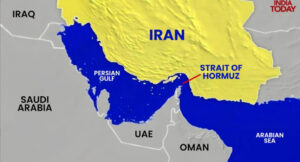
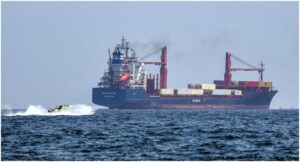
Iran has shut the Strait of Hormuz, a conduit for about 20% of global oil and LNG supplies, and the United States blockaded Iranian ports.
Jorge Leon is the head of geopolitical analysis at Rystad Energy and a former OPEC officer in Vienna.
The U.S. is pressing Iran to end what it says is a nuclear weapons programme, while Iran wants some form of reparations for the latest round of fighting, an easing of economic sanctions, and some form of control over the Strait of Hormuz.
The Hormuz shutdown is prompting draws from global inventories, with market sources telling Reuters late on Tuesday that the American Petroleum Institute reported U.S. crude oil inventories fell for a second week.
Crude stocks fell by 1.79 million barrels in the week ended April 24, the sources said. Gasoline inventories fell by 8.47 million barrels, while distillate inventories fell by 2.60 million barrels.
The post Oil Supply Concerns Linger As Market Digests UAE OPEC Exit appeared first on Channels Television.