
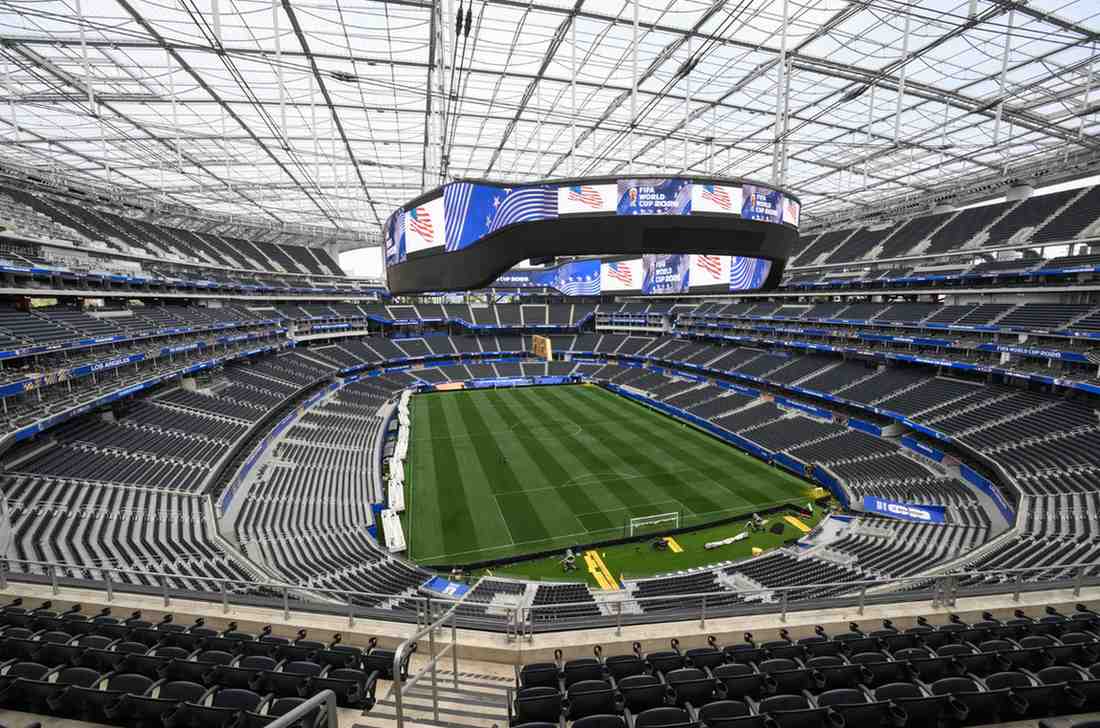
The next FIFA World Cup will feature 104 matches. The last one had 64. That is 40 extra games added to a tournament that already dominates television schedules, viewing centers, social media feeds, and group chats. For football fans, there will be more teams to follow and more matches competing for attention. For sports gaming companies, there will be more fixtures spread across a longer period than any previous World Cup.
Across Africa, mobile phones have become the main way people place sports bets. A football fan following the 2026 World Cup is likely to move between live scores, match statistics, instant notifications, and VBET live betting during the course of a single match.
Football’s Biggest Tournament Is Getting Even Bigger
For decades, the World Cup followed the same format. Thirty-two teams. Sixty-four matches. A month of football, then it was over.
The 2026 edition changes that. FIFA’s expanded format increases the field to 48 teams and pushes the total number of matches to 104. Countries that would previously have missed out now have a route into the competition. The extra places mean more teams will arrive with little or no World Cup history behind them. Some will be gone quickly. A few will stay longer than expected.
A handful of matches each day used to be manageable. The new schedule looks different. Fans may find themselves checking scores from one game while another is already underway. Some group-stage fixtures that might once have passed unnoticed are likely to attract attention simply because there is football on from morning until night.
The expanded format also changes where attention falls. In previous tournaments, much of the focus centered on the same group of football powers. With more nations involved, there is a greater chance that unfamiliar teams and players will find themselves in the spotlight. Not every story will come from a title contender.
Following the Match Is No Longer Enough for Some Fans

Watching the game used to be enough. Now it is common to see supporters tracking statistics, reading reactions online, and checking other scores before half-time has even arrived. Football conversations no longer wait for the final whistle. GeoPoll research found that 94% of African bettors use mobile phones to place wagers. The same phone used to check team news or watch highlights is often where gaming activity takes place too.
A red card changes the mood of a match immediately. So does an injury to a key player or a goal against the run of play. Live gaming follows the same pace as the game itself. During major Premier League matches, conversations regularly jump between the television, social media, and sports gaming apps. World Cup matches are likely to draw even more attention.
The difference between 2026 and previous tournaments is the amount of information available during a match. Fans no longer need to wait for post-match analysis to understand what happened. Statistics appear almost instantly. Someone joining a game late can quickly catch up on the key moments, while supporters following from work or on public transport can keep track of developments without seeing every minute of the action.
For some fans, checking odds has become another way of following the action. Others are more interested in statistics or live commentary. Information arrives quickly, and expectations have adjusted to match that speed.
The Digital Shift Since Qatar 2022

The last World Cup was played in 2022. Four years does not sound like much, but football habits have shifted during that period. Apps are faster. Match data arrives quicker.
Access has changed as well. Following football no longer depends on being at home in front of a television. Matches, highlights and statistics travel with the user. A supporter travelling home from work can follow a game, watch clips, and keep up with scores from other matches without needing a television nearby.
Football still sits comfortably ahead of other sports when it comes to sports gaming activity, with survey data suggesting around six in ten African bettors primarily wager on football. That is hardly surprising. The football calendar rarely slows down. Domestic leagues, European competitions, international qualifiers, and major tournaments overlap throughout the year.
People who already spend weekends following football are unlikely to ignore a tournament with 104 matches.
The Tournament Has More Room for Surprises
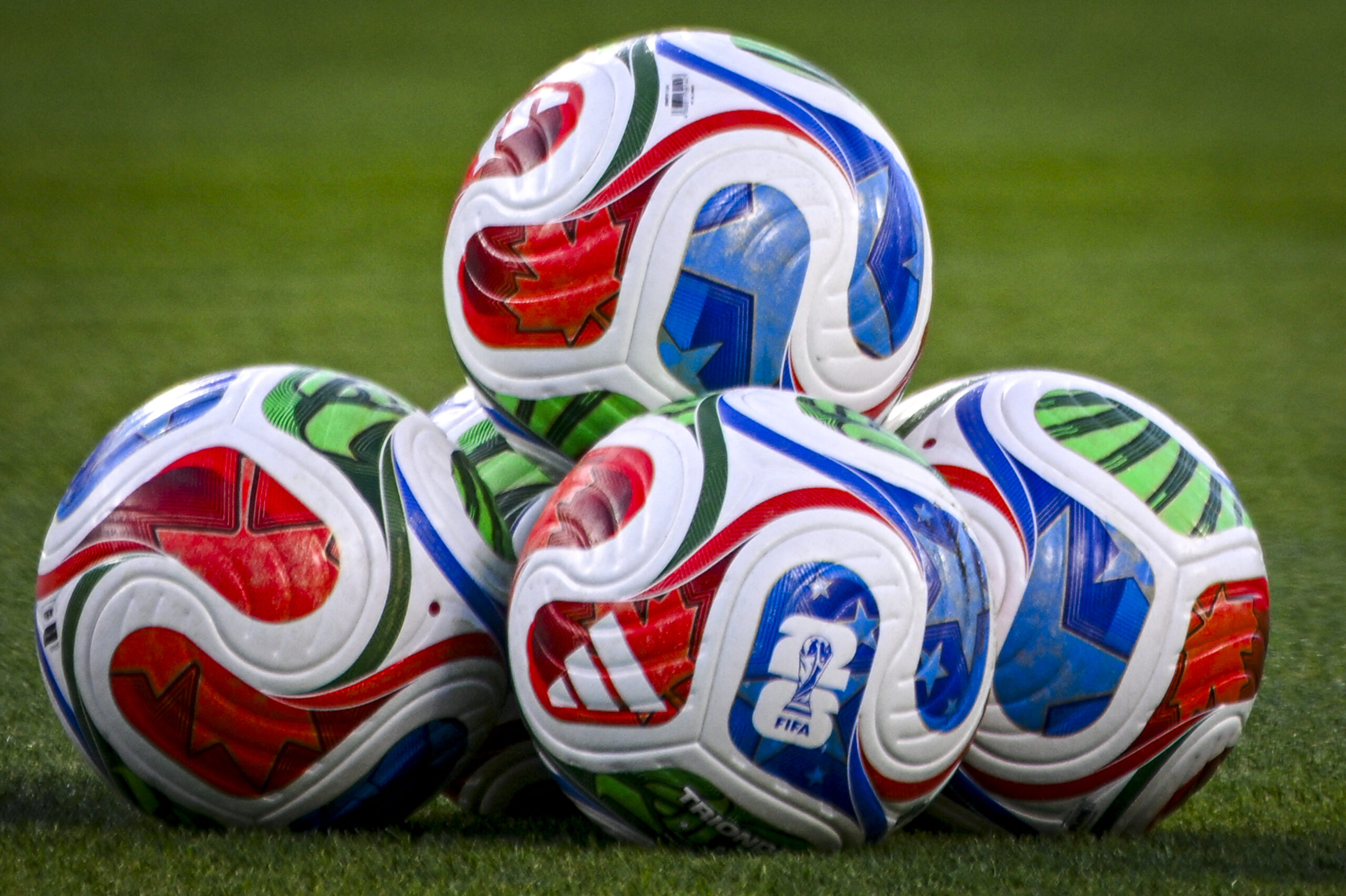
Every World Cup leaves behind a few moments that nobody expected. A favorite goes home early. An unknown player becomes a household name. A result that looked unlikely before kick-off ends up being discussed for years.
An extra 40 matches creates more opportunities for those stories. Smaller nations will receive exposure that was harder to achieve under the previous format. Players unfamiliar to most fans today could find themselves attracting global attention before the tournament is over.
The expanded format also gives unexpected runs more room to develop. In previous tournaments, a poor result could quickly bring a campaign to an end. More matches create more opportunities for teams to recover, build momentum, and remain part of the conversation for longer.
The competition’s reach extends beyond dedicated football followers. Ahead of the tournament, a Reuters-reported survey found that 37% of workers planned to adjust their schedules around World Cup matches. A quick score check turns into watching highlights. One match leads to another. Conversations drift back to football. By the time the final arrives, plenty of supporters probably will not remember every result. They will remember just how much football there was.
The post How Digital Platforms Are Reshaping Sports Entertainment During The World Cup appeared first on Channels Television.