
Are you ready for the eclipse? Whether you’re bound for the path of totality or set to see a partial eclipse from Europe, Canada or the northeast U.S. on Wednesday, Aug. 12, there’s a dirty word eclipse chasers hate to utter during an eclipse season, and yet become completely obsessed with — clouds.
Related: Total solar eclipse 2026 — Everything you need to know
We all start behaving as though Earth’s atmosphere owes us something. After spending years studying the climate and where it is most likely along a path of totality to have a clear sky, we’re in position and can now do almost nothing about it save for drive or sail a few miles. We refresh cloud forecasts. We compare satellite imagery. We point at scraps of blue sky as if we can persuade them to remain so at a specific time. By the time the moon is almost on the sun, we’ve spent the best part of a week staring at our phones and fretting.
The received wisdom is that you must have a perfect view of a total solar eclipse, and that if you don’t, you’ve failed because you didn’t do your research or take evasive action. Never mind that many who end up under a blue sky then spend the entire time behind a camera. The desire for a clear sky and a clean horizon is obvious — particularly if you’re in the path of totality — and yet it’s entirely possible that clouds will be present, very possibly in the places expected to be clear. That’s exactly what happened on April 8, 2024, when the favored state of Texas was cloudy while wintry Maine and New Brunswick had a bluebird day.
Having seen many total, annular and partial solar eclipses, I have come to believe something slightly heretical: you do not need a perfectly clear-sky view of a total or partial solar eclipse to matter. Sometimes one clear second is enough. Whisper it, but clouds add a lot of drama not just to an eclipse, but to photos of it, too.
Beginners often assume an eclipse is only “successful” if they see the sun’s corona throughout totality. Some even rank eclipses in advance according to how long totality lasts. It’s all an illusion. If a gap opens in the cloud for a short time and the corona appears, that is not a consolation prize. That is the thing itself. The same goes for a glimpse of a partially eclipsed sun if that’s what’s heading your way.
So don’t fret the eclipse — check weather forecasts and do your best to find a clear sky, but when nature takes over, don’t fight it or get upset by it. Cherish whatever you get. You only need a one-second window — and even that is not in your control.
What’s happening
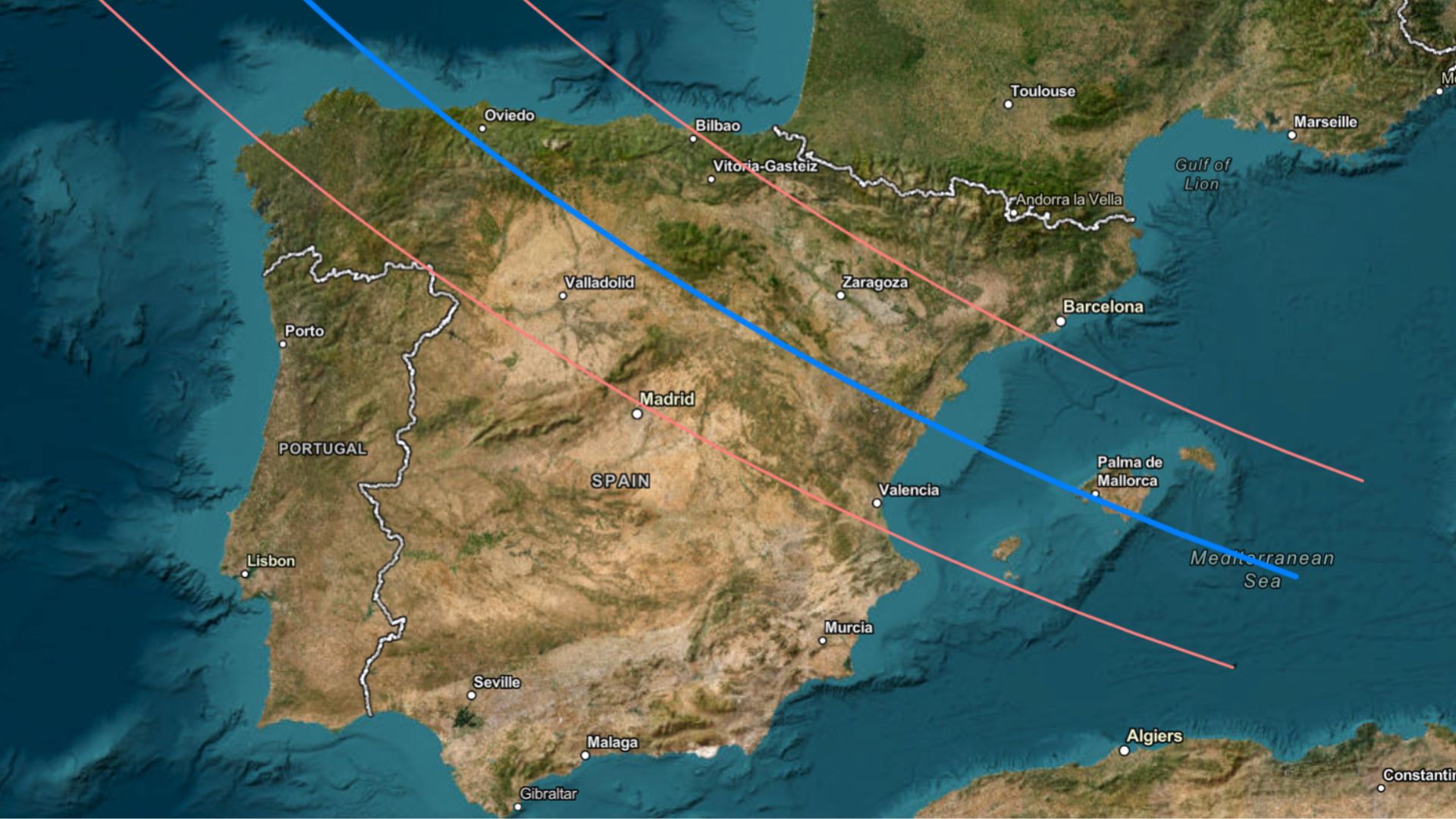
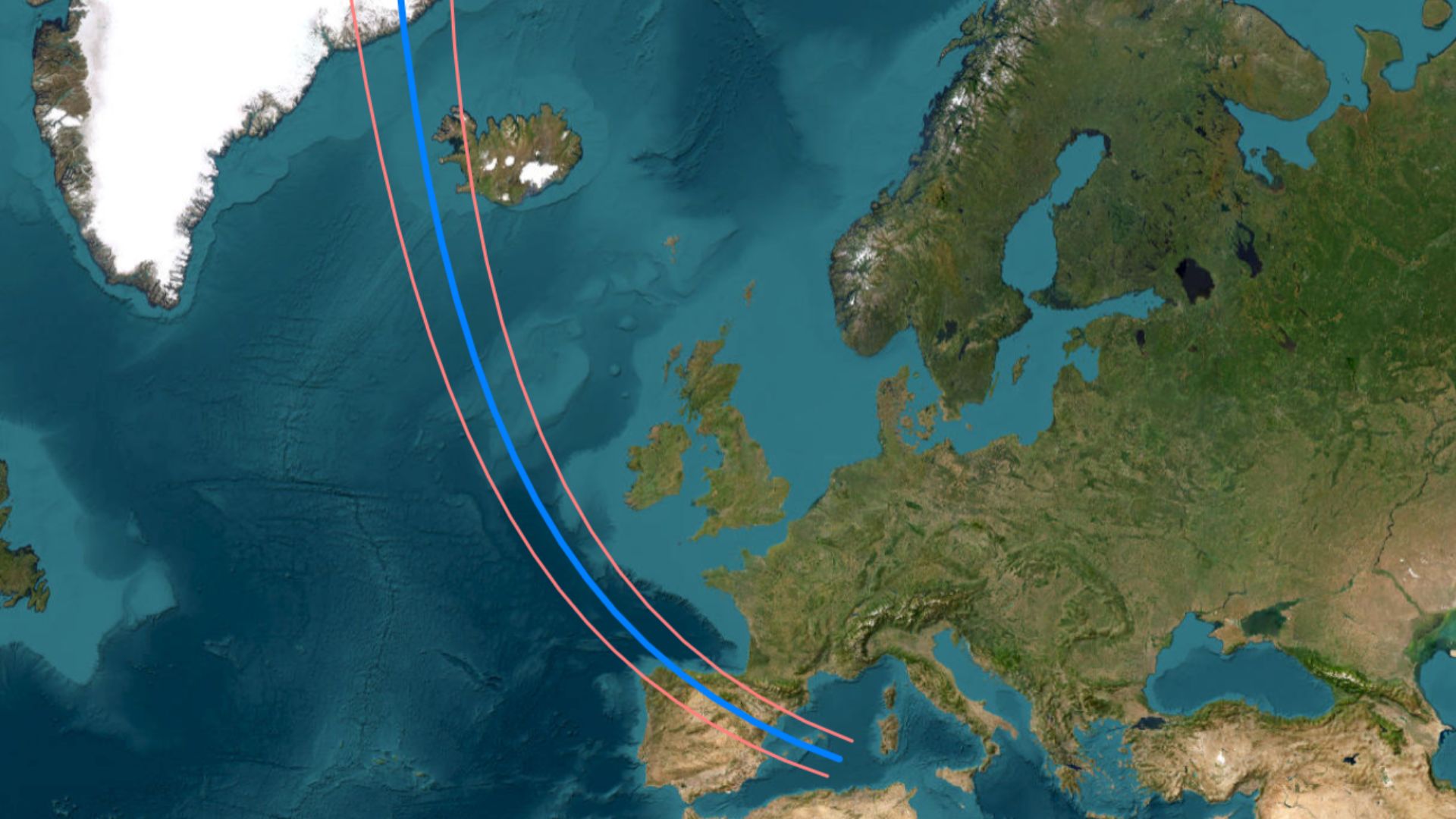
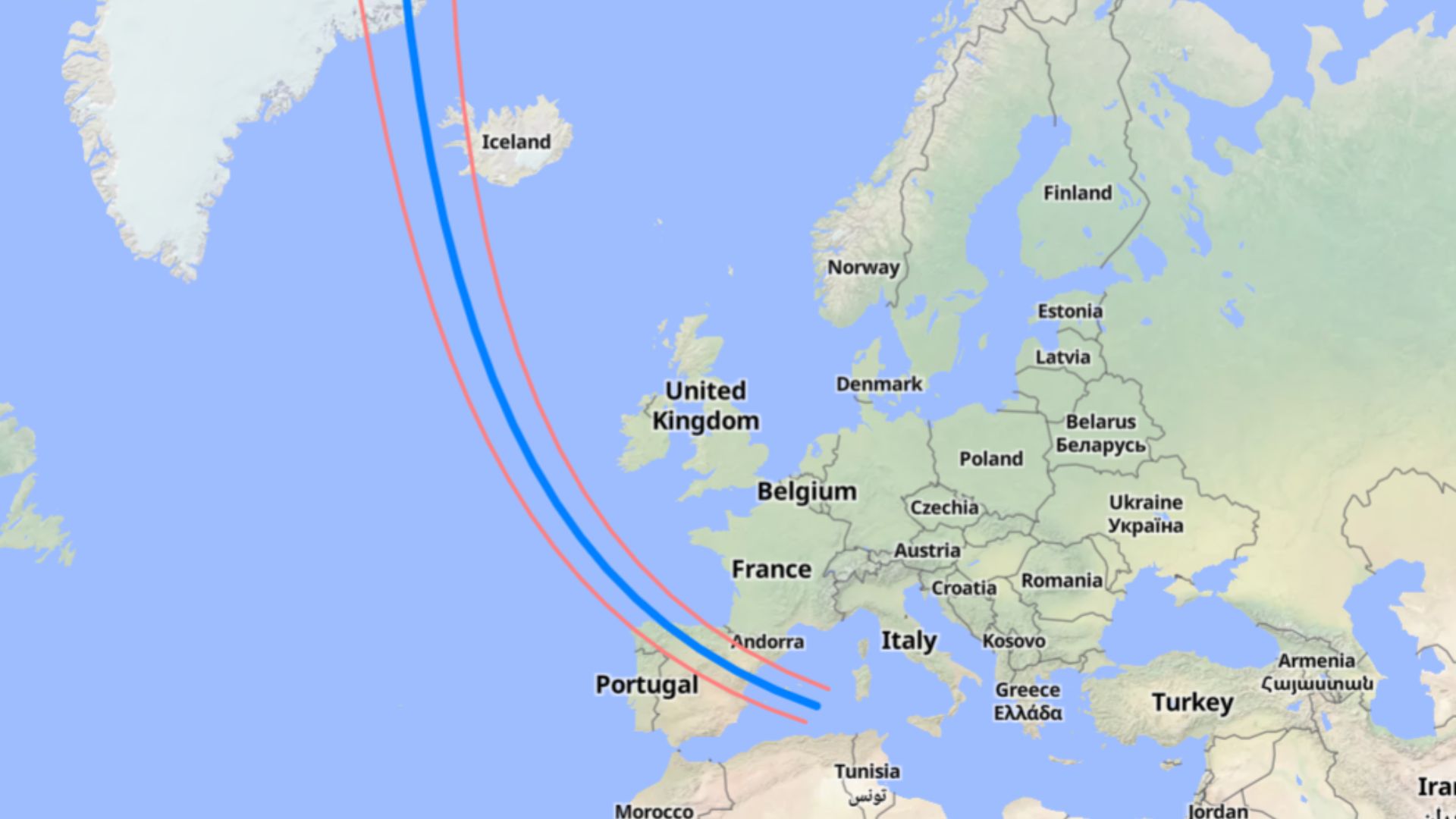
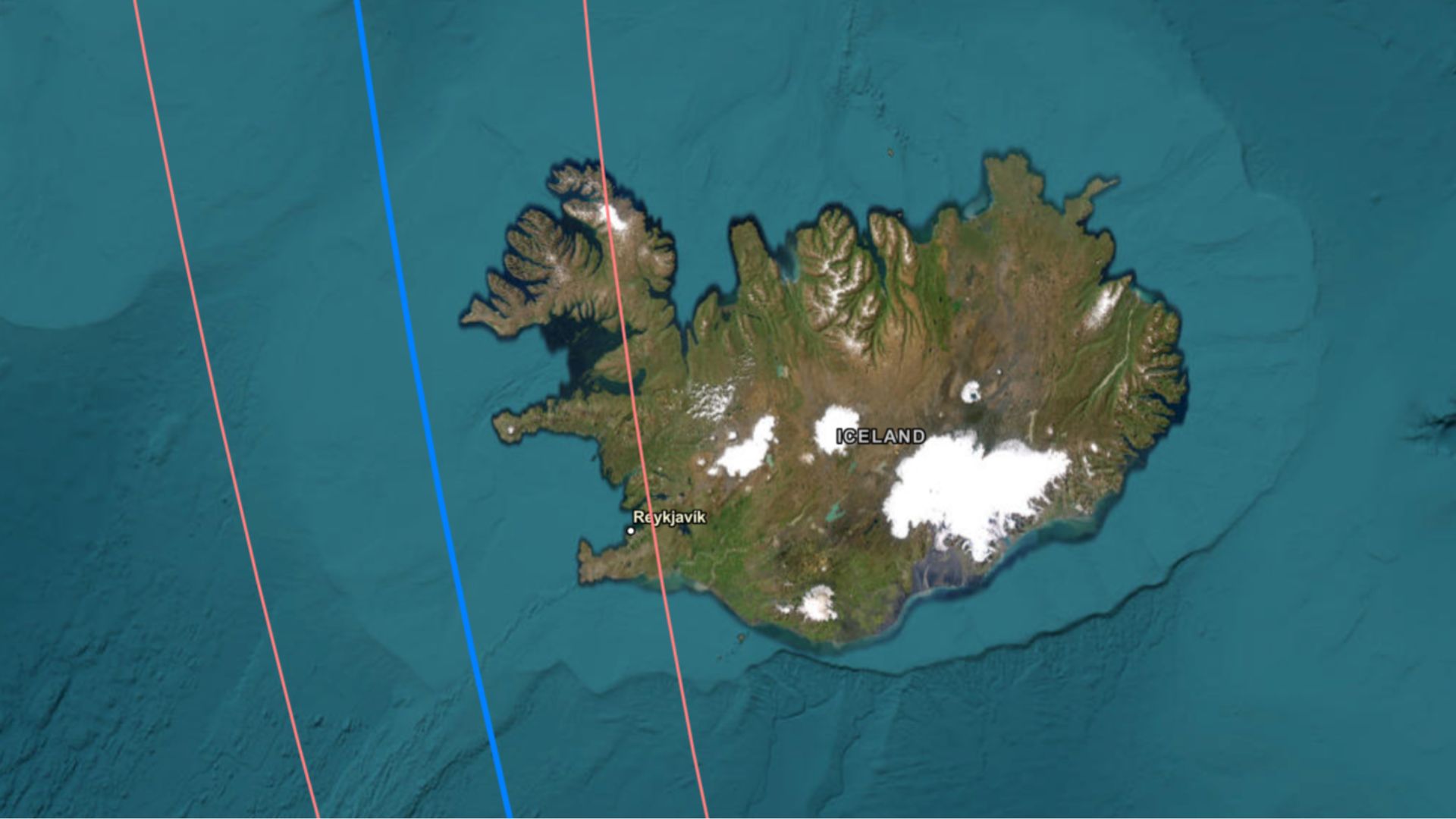
On Aug. 12, the moon’s shadow crosses eastern Greenland, western Iceland and northern Spain, with a small part of Portugal also near the action. From inside the narrow path of totality, the sun will be completely covered for up to 2 minutes 18 seconds. If that’s your destination, get excited — and be prepared. During totality, stay present. An eclipse is short enough that distraction becomes a genuine hazard to observing. A one-second look can be enough, but only if you are really paying attention.
Outside of the path of totality, a much wider partial solar eclipse will be visible across the U.K., Europe, parts of North America and northwest Africa.
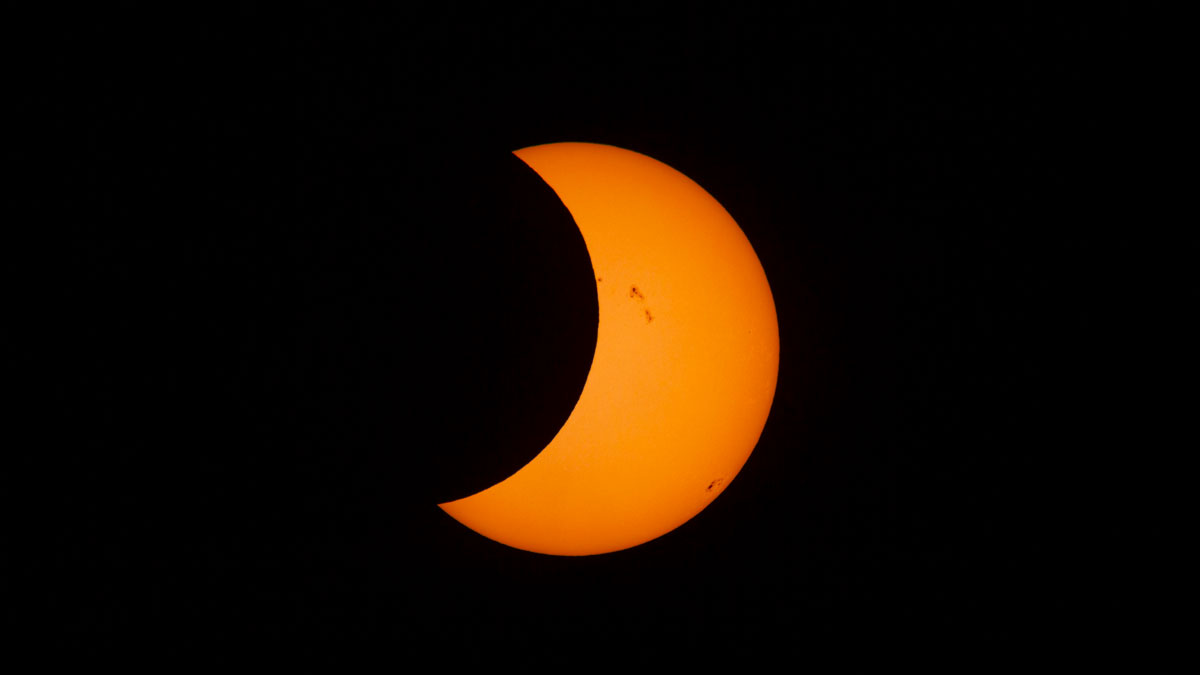
The U.K. gets one of the more striking consolation prizes: a very deep partial eclipse late in the day. Across much of Britain, around nine-tenths of the sun will be covered, with the deepest views toward the west and southwest. London, Manchester and Glasgow are all in the roughly 91% range, while Cardiff and Belfast do slightly better. Maximum eclipse takes place around 7:05 to 7:13 p.m. BST, when the sun will be low in the west-northwest. That low sun is the detail many people will miss. This is not an eclipse to watch from behind a row of houses, trees or office blocks. A beach, cliff top, hill or open field may make the difference between seeing a thin solar crescent and seeing nothing at all. But having a clear western horizon means clear weather is needed not just where you are, but where you’re looking — possibly a 100 miles away to the northwest. That will be even more of an issue in eastern Spain and the Balearic Islands, from where the total solar eclipse will occur when the sun and moon are just a couple of degrees above the horizon.
North America gets a smaller event, but not a meaningless one. The farther northeast you are, the better — though a partial eclipse probably isn’t something to travel far to see more of. It’s best to take what’s coming your way. In the U.S., northern Maine sees the deepest partial eclipse, while Boston, New York, Philadelphia and parts of New England see a smaller bite taken from the sun after lunch. Canada does better, especially in the east and north. Newfoundland sees more than half the sun covered, while the rest of Atlantic Canada has a much better show than most of the U.S.
Wherever you are, remember that it is never safe to look directly at the sun without proper eclipse glasses or certified solar filters. Thin cloud does not make it safe to look at the sun. Nor do sunglasses. Even a quick glance requires eclipse glasses.
How and when I’m watching it
I’ll be in Greenland for this one, but the way I recommended you watch it is low-tech. I would bring eclipse glasses, a printed or saved set of local timings (visit Time and Date for a location-specific schedule), and binoculars with a proper solar filter fitted securely over the front of the lenses. Personally, I wouldn’t build the day around photography. The great trap of a total solar eclipse is believing it is mainly something to photograph. It is not. It is something that happens to the whole environment.
If you’re in the path of a deep partial eclipse — say, over about 80% — you may begin to notice the light taking on an unusual quality, with a more noticeable dimming around 90% coverage. If you’re in the path of totality, you’ll feel a coolness as totality begins, birds and humans going quiet, and light levels suddenly crashing as the moon’s shadow sweeps across you. Clouds can even sharpen the strangeness. In the path of totality, a low, milky sky may hide the corona, but that also makes the darkness feel heavier and more sudden. All of this is why people cherish their experience of an eclipse — not because of a photograph.
Stargazer’s corner: August 7-13, 2026
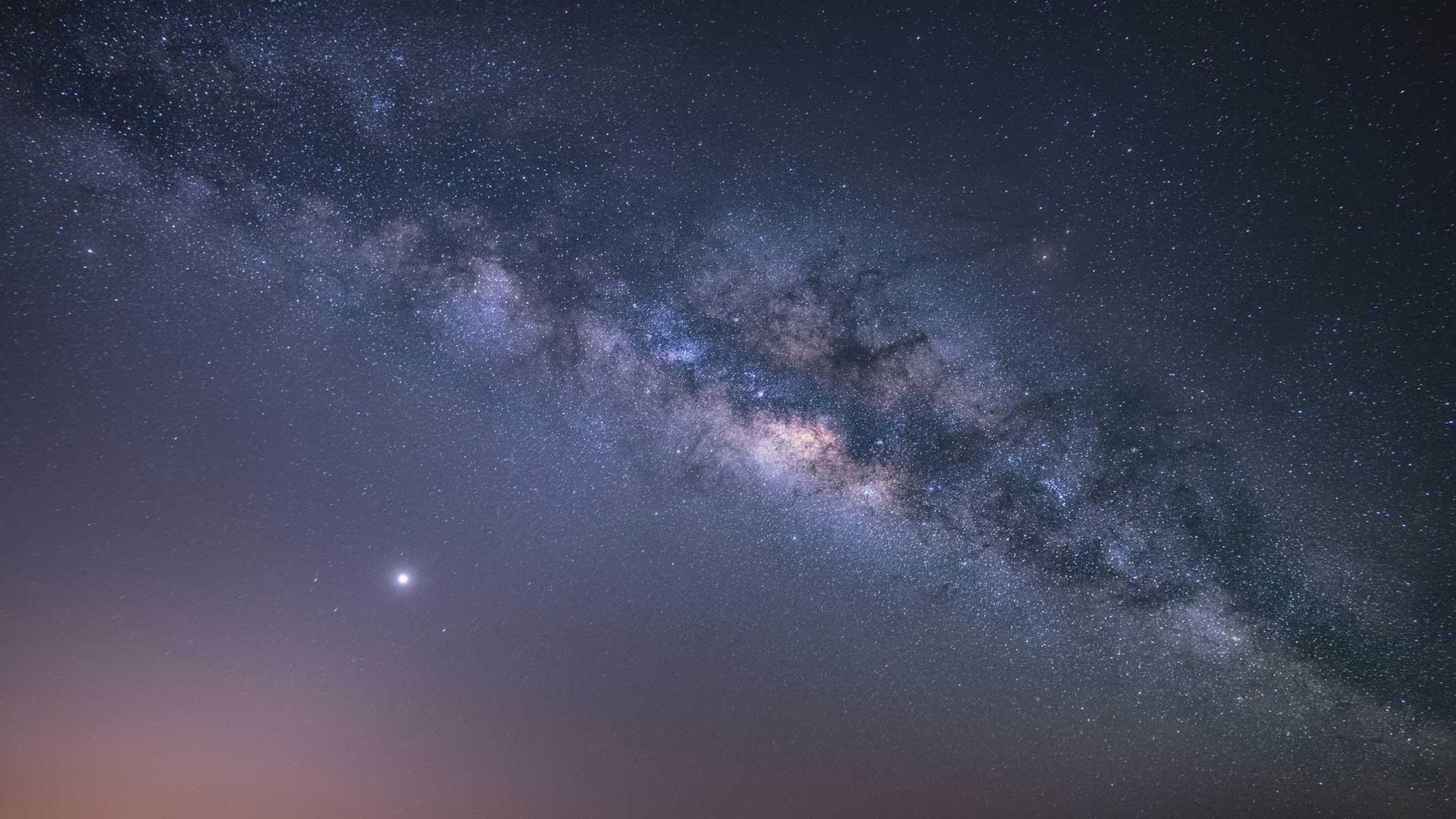
Here comes an incredible week of stargazing, with the solar eclipse and the peak of the Perseid meteor shower — both occurring on the same day — hard to underplay. Those chasing the eclipse in Greenland and Iceland may have a chance to see the aurora after midnight, though the darkness is short. Farther south, it’s peak Milky Way season. The galaxy arches high across the sky, with its brightest and most detailed regions now well placed after dusk. All this week, the moon will be a thin crescent, if present at all, creating excellent conditions for simply stepping outside and exploring the sky at night. If you can glimpse the Milky Way, an eclipsed sun and a “shooting star,” you’ve bagged one of the greatest combinations in skywatching.
Related: The biggest skywatching day of 2026 is coming. Here’s what you’ll see in North America and Europe
Constellation of the week: Perseus
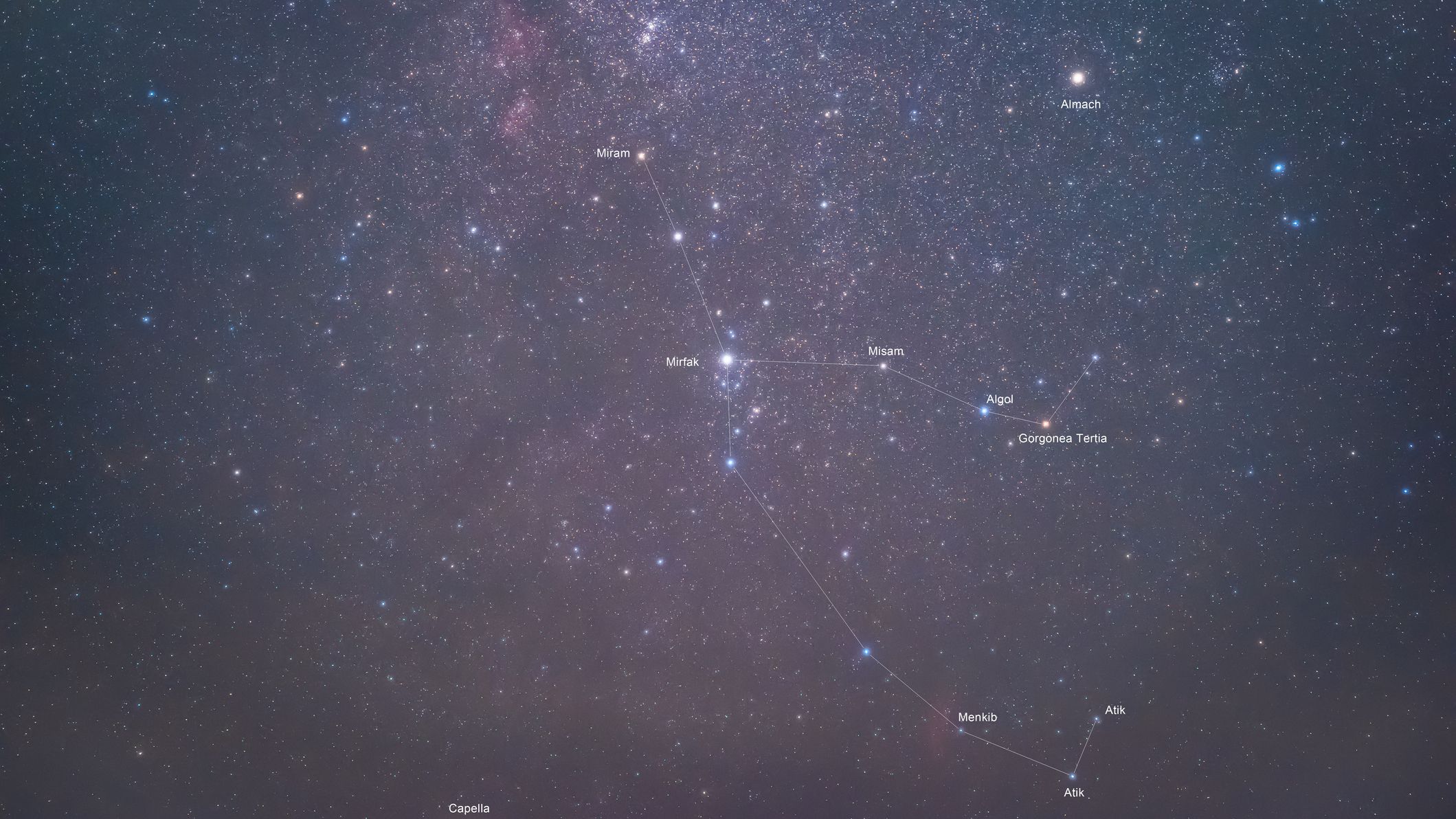
Perseus is the name attached to the week’s meteor shower, but the meteors do not actually come from the stars of Perseus. They only appear to radiate from that direction because Earth is moving through a stream of comet debris. To find Perseus, look northeast late in the evening and higher before dawn, below the W-shaped constellation Cassiopeia. The beginner’s mistake is to stare at the radiant. Use Perseus only as an anchor point, then watch the widest patch of dark sky you can manage. This meteor shower — one of the best of the year, taking place under perfect moonless conditions — rewards patience more than precision.