


Douglas McKelvey has been writing prayers in public for 20 years. This spring, his latest prayer book, Every Moment Holy: Rites of Passage, releases with Rabbit Room Press. The liturgies and prayers have an eager readership and are expanding to bring the show on the road for Every Moment Holy Live.
This fourth volume offers thoughtful prayers for individuals and communities at moments of transition, and it’s particularly suited to young adults. While this volume may be particularly suited for the graduate in your life, it’s also a helpful resource no matter your age.
In this conversation, Ashley Hales speaks with McKelvey about our lack of rites of passage in American culture and about how prayer can create meaning by orienting people to God’s larger story. This conversation has been edited for length and clarity.
Tell me just a little bit about the impetus for Rites of Passage.
Since Volume 1 of Every Moment Holy released, it’s been a bit of a journey. Rites of Passage is 150 prayers or so for young people in that transition stage of stepping into independence and adulthood. But it’s a little more of a hybrid book.
We’re not very good in America at creating rites of passages. Our culture has a kind of blank slate: You go through your years of schooling, and then you jump off a cliff into adulthood. We keep asking questions like “How do you know you’re a good man?” “How do you know you’re a good woman?” “How do you know you’ve really entered into the community of adulthood or are on a path toward maturity?” Rites of passage can help us understand how to do that. How might your book fit into that formationally in the church?
We are sorely lacking in those kind of unifying markers—ways to know that we are progressing into those new stages of life and responsibility. Part of that is that as a culture, we seem to have developed this aversion to anything that is actually costly.
Historically, cultures have had these kinds of rites, where young people were not just adrift in this nebulous space. I think that there is great opportunity for the church to begin to catch a vision for this, because I think we’re at a place as a culture where things are too easy. Gratification is too immediate.
Girls and boys as they’re growing up understand in an intuitive way that there needs to be meaning and that they suffer for the lack of that. The answers are there—Jesus says we are to pick up our cross and follow—but I think those dots need to be connected.

Kids growing up in our culture don’t have those things in front of them that they’re moving toward and consciously aware of. But I do think that this call is into this wild and perilous pursuit of this wild and beautiful shepherd.
For when you hear that call and you begin to heed it and follow, you are stepping into this path that does involve personal sacrifice. But it is the path to meaning and significance that you’re looking for—the limited significance of knowing your place in the community.
You can see the pull of the screen. We can push off suffering or boredom or unease with ourselves or with others by endless YouTube videos or Instagram reels that continually serve up content. I worry for a generation that has not had to sit in the awkward or hard spaces and has been anesthetized.
Is it possible for a large swath of the American population that, because of the formative years in which they have been anesthetized by technology, they simply won’t have the same sort of spiritual longings as generations before them?
Kind of the Brave New World. I think that is a real danger. But I don’t think the Spirit of God is ever going to cease beckoning people and drawing hearts. There are still going to be people who hear the call and respond. I’m more encouraged now than I would have been maybe three years ago.
In an interview, Martin Shaw made an argument that Britain wasn’t post-Christian but pagan, and pagans are much more ready to receive the gospel when they hear it than those atheists who have walked away from an institutionalized kind of religion that had ceased to have any real life in it.
The college-age generation—they’re awakening to a hunger. Aslan is on the move, perhaps. And I hope that the prayers in the Rites of Passage book land in a place where they might be of service in shepherding.
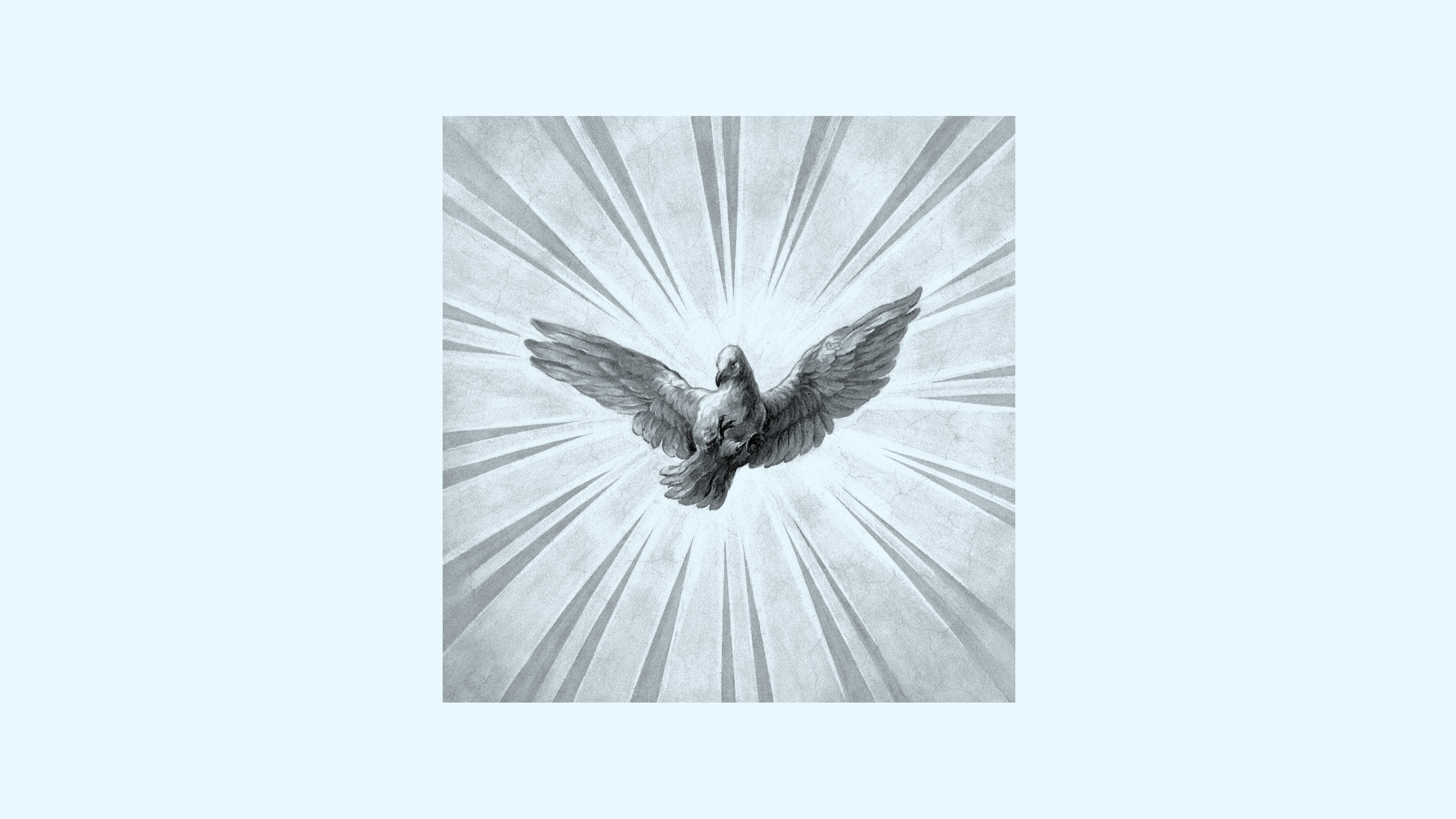

So there are prayers that begin at the place that I began when I was 16 years old—which was a place of suddenly realizing the Creator of the sun and moon and stars is beckoning me. Something in me longed for that, but I also realized there were other things I wanted more. Yet the hook of Christ was already set in my heart.
What’s one reminder you’d give to encourage young people on this precipice of becoming adults?
I think we have become a culture that has placed individualism, autonomy, self-expression on this pedestal, almost like virtues to be worshiped.
The necessary counter to that is to truly understand how short life is. It is a vapor. Scripture tells us that. But I think it begins with Lord, teach me to number my days aright, that I might gain a heart of wisdom. Start from that ending point. Who do you want to be when you are descending into the valley of the shadow? What do you want your life to have looked like? Cultivate that vision now. Start to make that plan: How do I get from here to there if that’s my endgame?
None of the prestige or accolades or likes on social media are going to matter at all. What is it that I want to lay at the feet of Jesus and say, I did this for you?
Celebrate the good things that he’s given that are part of your life, like good food, fellowship with friends, beauty, music. There’s so much that God has created in this world for us to enjoy and to be enthralled by.
All of these things are signposts pointing to the fulfillment of those things in him. Those are forward-rippling echoes of the fullness that is to come in the new creation and being in the unveiled presence of our Creator.
Douglas McKelvey is a writer of tales, a lyricist, a script writer, and the author of Every Moment Holy books.
The post Q&A: Douglas McKelvey on Gen Z’s Lack of Rites of Passage appeared first on Christianity Today.