
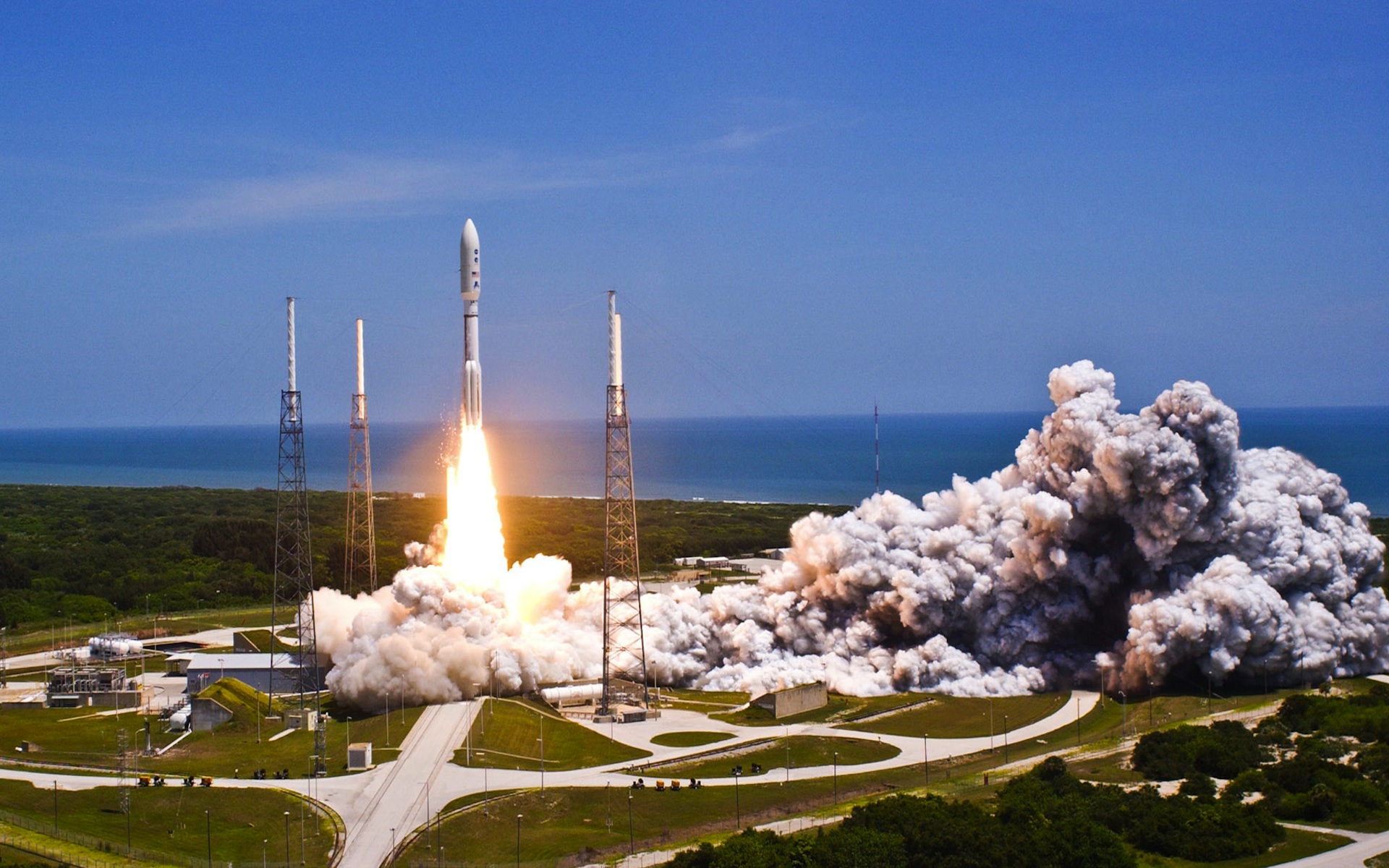
On Aug. 5, 2011, NASA launched the Juno spacecraft on a mission to study Jupiter, the largest planet in the solar system.
The robotic spacecraft lifted off on an Atlas V rocket from what is now Florida’s Cape Canaveral Space Force Station and spent the next five years making the 1.74-billion-mile trek to Jupiter.
Next Stop, Jupiter! Launch Photos of NASA’s Juno Mission
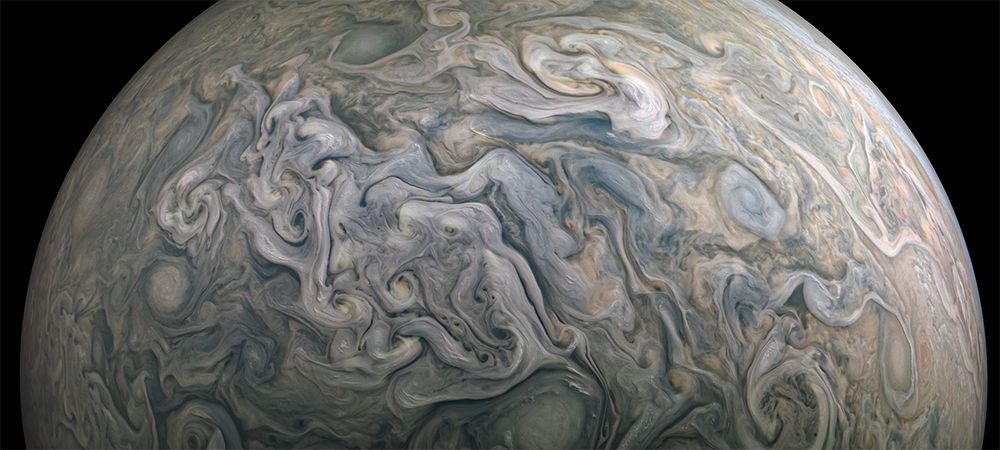
Since it arrived in Jupiter’s orbit in 2016, the Juno spacecraft has taken the most amazing photos of Jupiter anyone has ever seen! But it has also taken plenty of scientific measurements to study Jupiter’s composition, magnetic fields, weather patterns and more.
Why it mattered
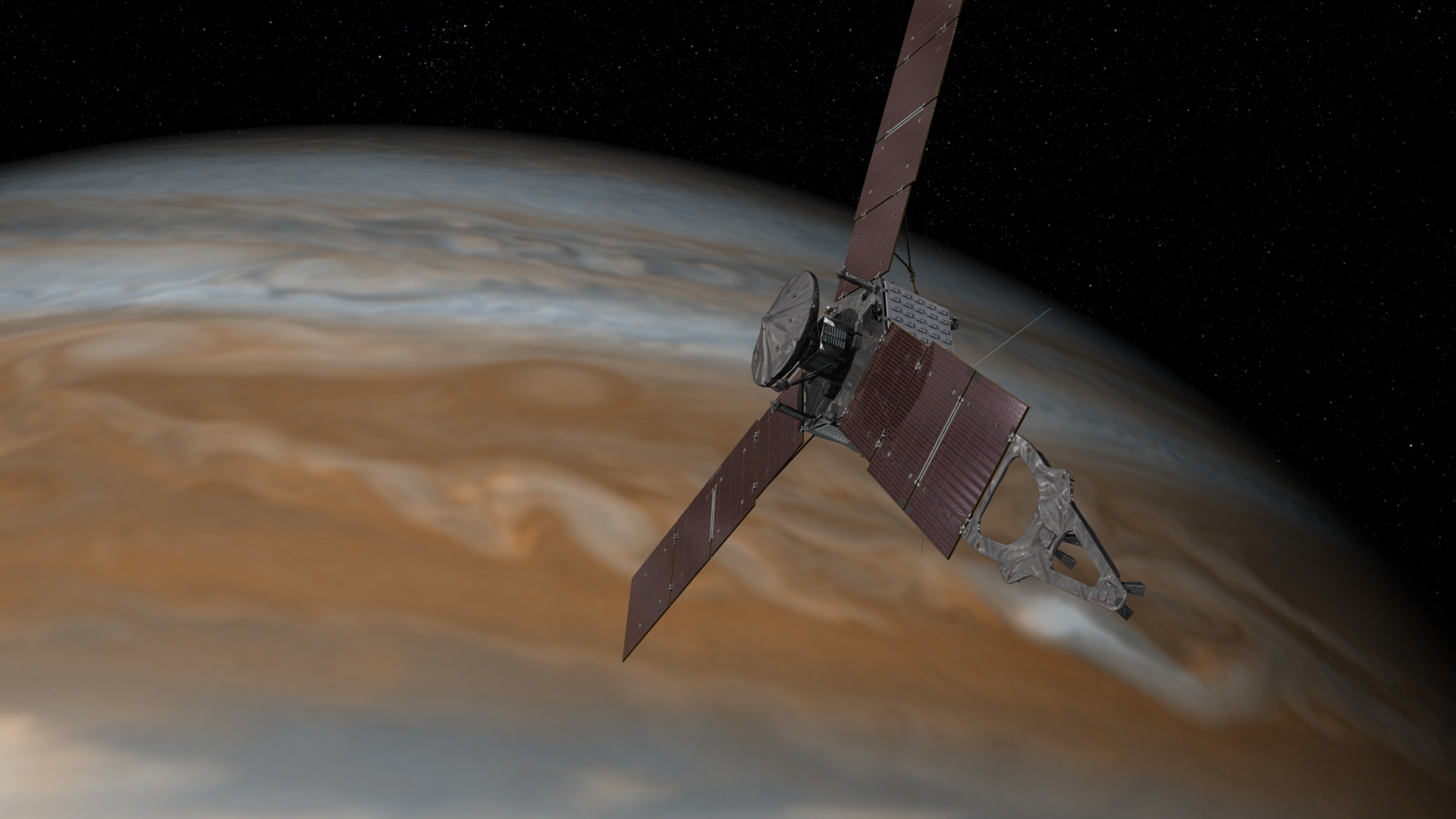
Juno is an interesting mission. It was the first dedicated orbiter at Jupiter since NASA’s prolific Galileo mission, which ended in 2003, and is the first solar-powered spacecraft to the gas giant. Indeed, each of its three 30-foot-long solar wings is as long as a semi truck to collect enough sunlight to power its systems.
But it’s the science that makes Juno stand out. When Galileo orbited Jupiter, its high-gain antenna did not fully deploy, meaning the probe was never able to record detailed video of Jupiter’s atmosphere as hoped. While Juno was initially built to study the inner workings of Jupiter, its camera recorded the first detailed video of the planet’s clouds and atmosphere.
The Juno spacecraft’s primary mission ended just 20 months after entering orbit, but NASA extended the orbiter’s mission several times, most recently in 2021. That most recent extension sent Juno on multiple flybys of three of Jupiter’s largest moons, Ganymede, Europa and the volcanic moon Io.
Juno’s observations are already helping the science planning of future missions to Jupiter, including science targets for the European Space Agency’s Jupiter Icy Moon Explorer, or JUICE, and NASA’s Europa Clipper probes, which are currently en route to the giant planet.
Want more space history? Check out our full On This Day In Space video archive on YouTube.