

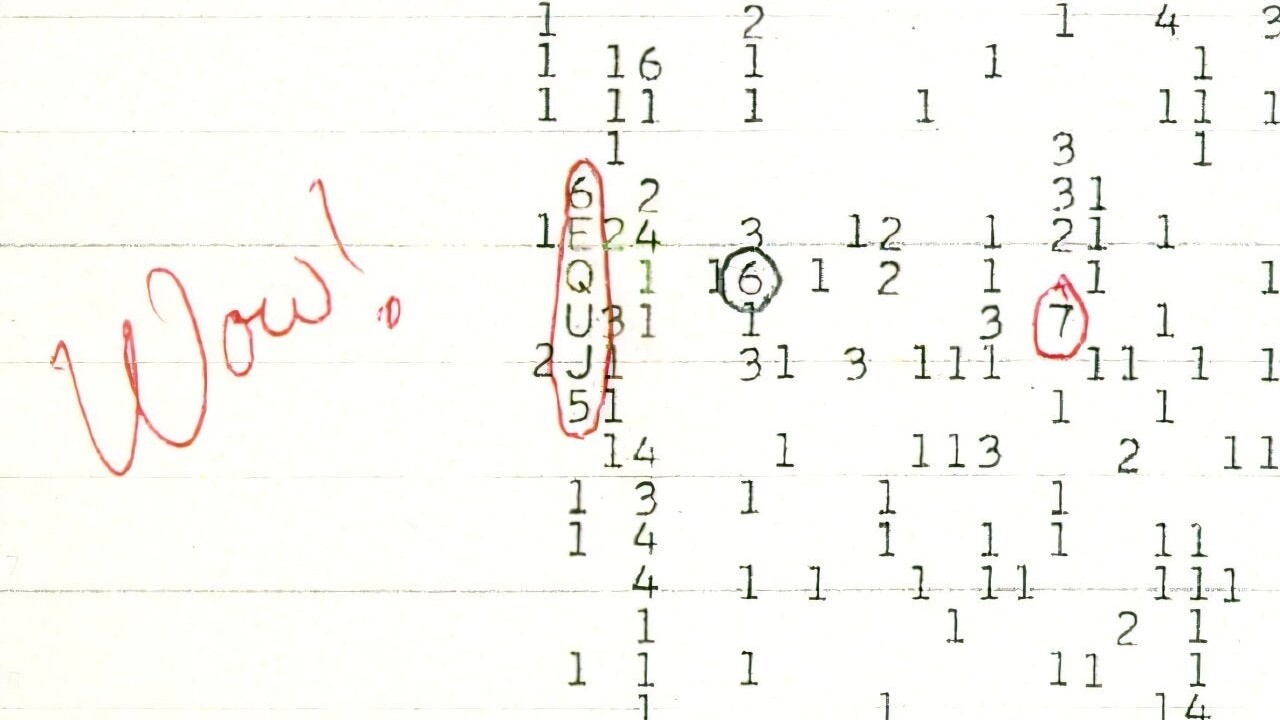
On Aug. 15, 1977, astronomers using Ohio State University’s Big Ear radio telescope detected the famous “Wow!” signal, which to this day is one of the strongest pieces of evidence that we are not alone in the universe.
Astronomer Jerry Ehman was using the telescope to scan a region in the constellation Sagittarius when it detected a weird, 72-second-long radio burst. The signal was too strong to be explained by background noise, and researchers determined that it was very unlikely that this signal came from anything on Earth.
Despite their best efforts, astronomers have not been able to detect any other signals like it.
Why it mattered
For as long as humans have existed, we have looked up and wondered, “Are we alone?” This question remains one of the biggest mysteries across not just science but for humanity as a whole. The “Wow” signal remains an iconic and important finding in the search for life out in the cosmos.
Nearly 50 years since the “Wow!” signal, scientists have made incredible progress in the search for alien life. We have landed rovers on Mars that have found possible signs of life on the Red Planet, for example, and discovered thousands of exoplanets, or planets outside of our solar system.
The “Wow!” signal was detected nearly two decades before scientists first confirmed the existence of exoplanets. Today, we have found more than 6,000 of them and are using cutting-edge technologies to explore further and see if any of these far-off planets might contain signs of life.