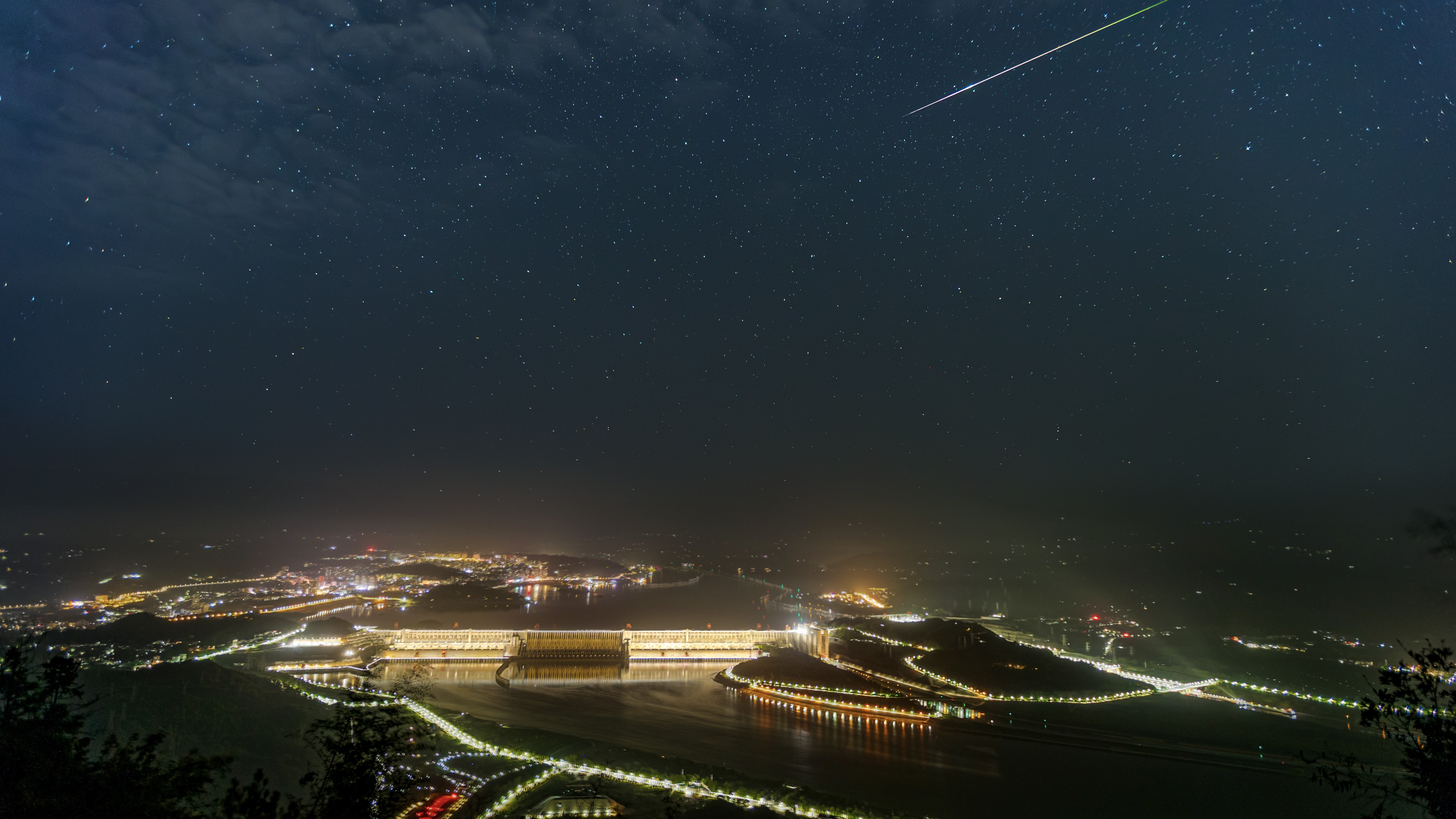

A bright “Saturn’s ring” of satellites could circle the night sky if plans to launch a million data center spacecraft and tens of thousands of space mirrors come to pass. This ring, traversing the sky for hours after dusk and before dawn, would outshine every star and planet, and be visible from every spot on Earth.
Hugh Lewis, a professor of astronautics at the University of Birmingham in, the U.K., told Space.com that the only way to accommodate the high number of data center constellations that have been proposed is to stack them above another in orbit above the boundary between day and night, creating an artificial “Saturn’s Ring” of satellites around the planet. That ring would show in the sky as a luminous band much brighter than any star or planet and even the full moon.
“If you were to look up at night, they would be all in one plane, really close together, going in the same direction,” said Lewis. “The impact on the night sky would be absolutely catastrophic.”
The next time you’re away from urban light pollution, spend some time outdoors after dark and enjoy the view of the Milky Way and the constellations that have inspired awe since humankind woke to consciousness. Chances are those views are not here to stay forever.
Such a notion would have seemed like science fiction only a few years ago, but since the orbital data center frenzy kicked off last year, the once-fanciful prospect has become a distinct possibility.
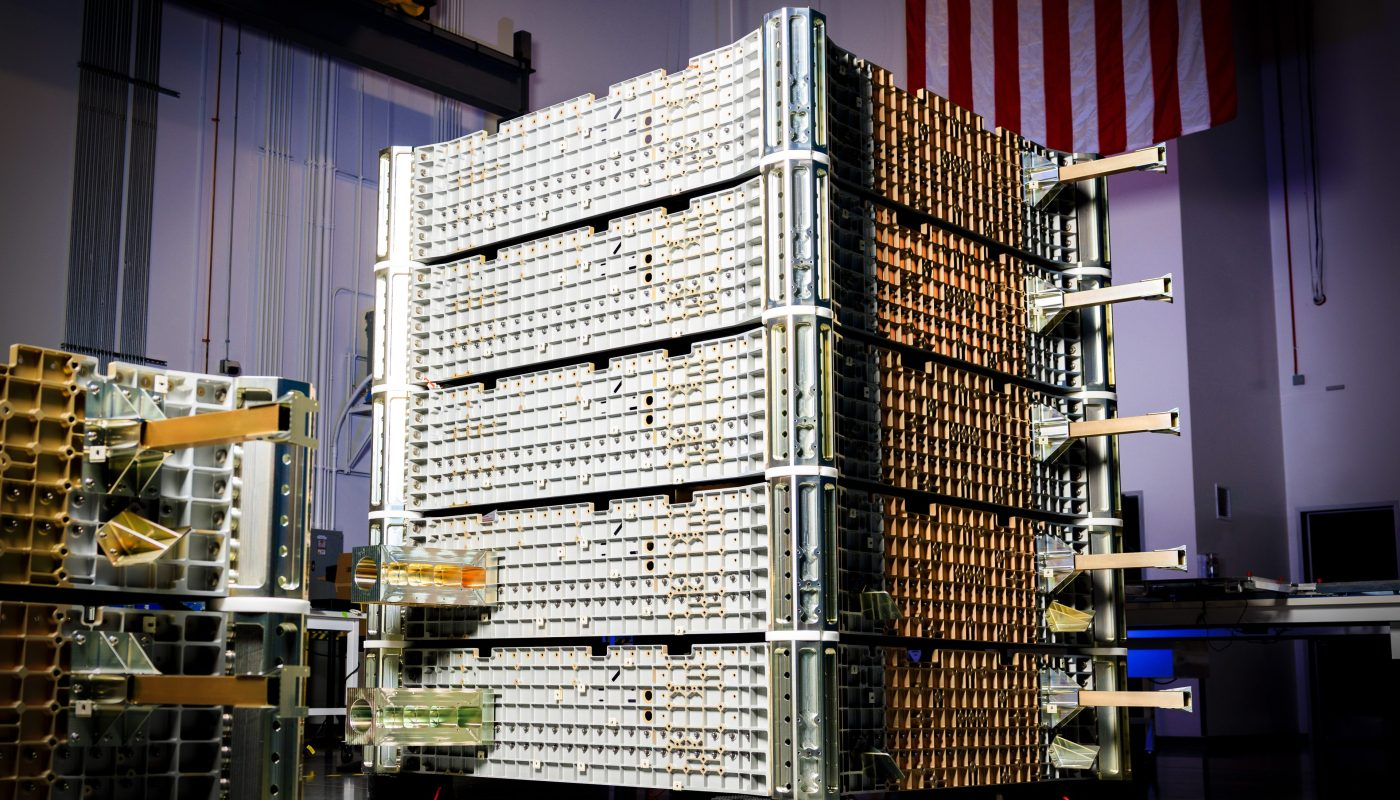
A flurry of companies including SpaceX, Starcloud, Cowboy Space, Orbital and Blue Origin have applied to the U.S. Federal Communications Commission (FCC) for licenses to launch more than a million data center satellites combined. China has already jumped on that bandwagon, too, with plans to develop an orbital data center network within the next five years.
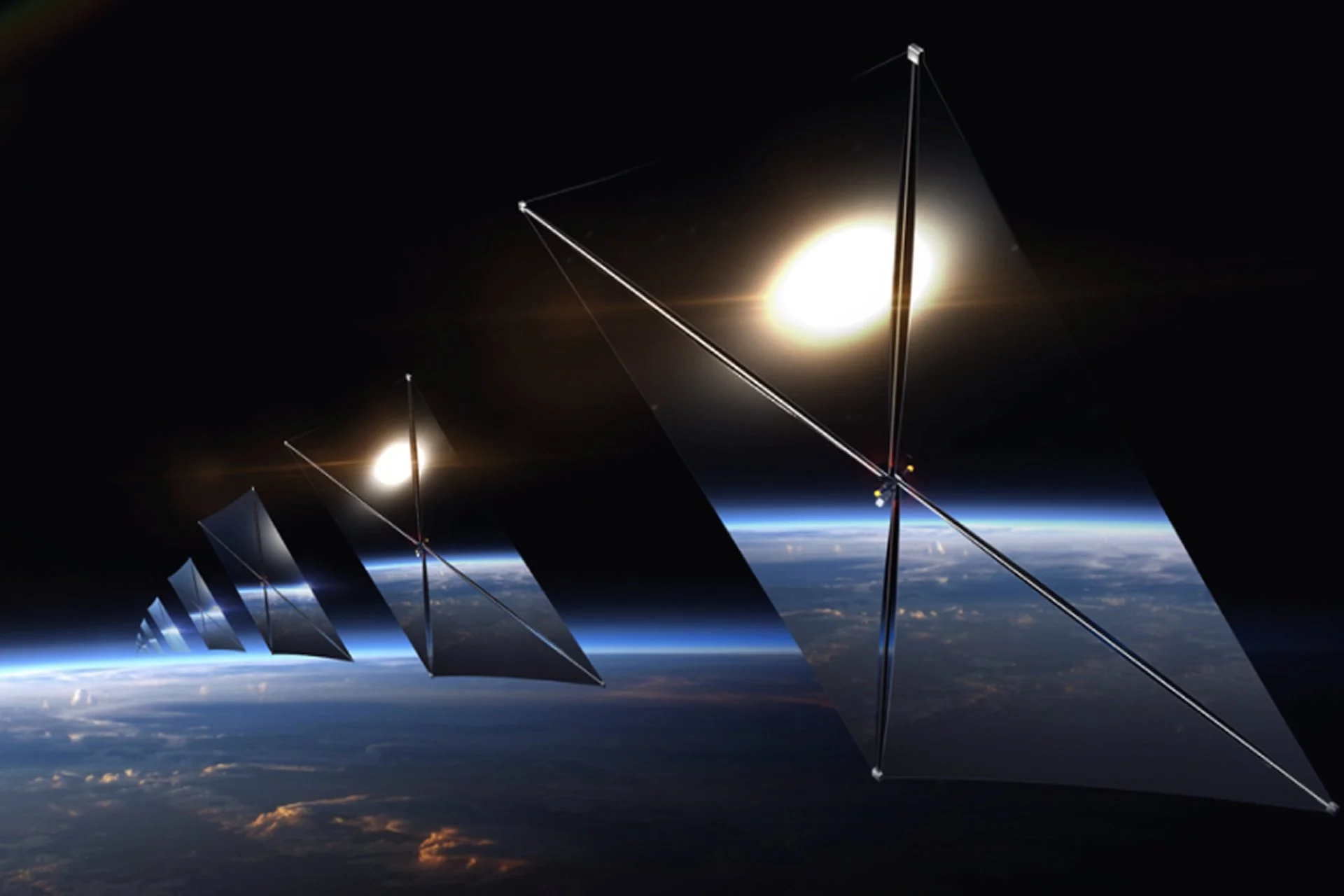
On top of those projects, California-based Reflect Orbital wants to launch 50,000 orbiting mirrors into space to reflect sunlight to solar power plants on Earth after dusk. Reflect Orbital received its license from the Federal Communications Commission (FCC) on Friday, July 10, to fly the first of these mirrors — a 60 by 60 feet (18 by 18 meter) demonstration satellite named Eärendil-1, which is expected to launch by the end of this year.
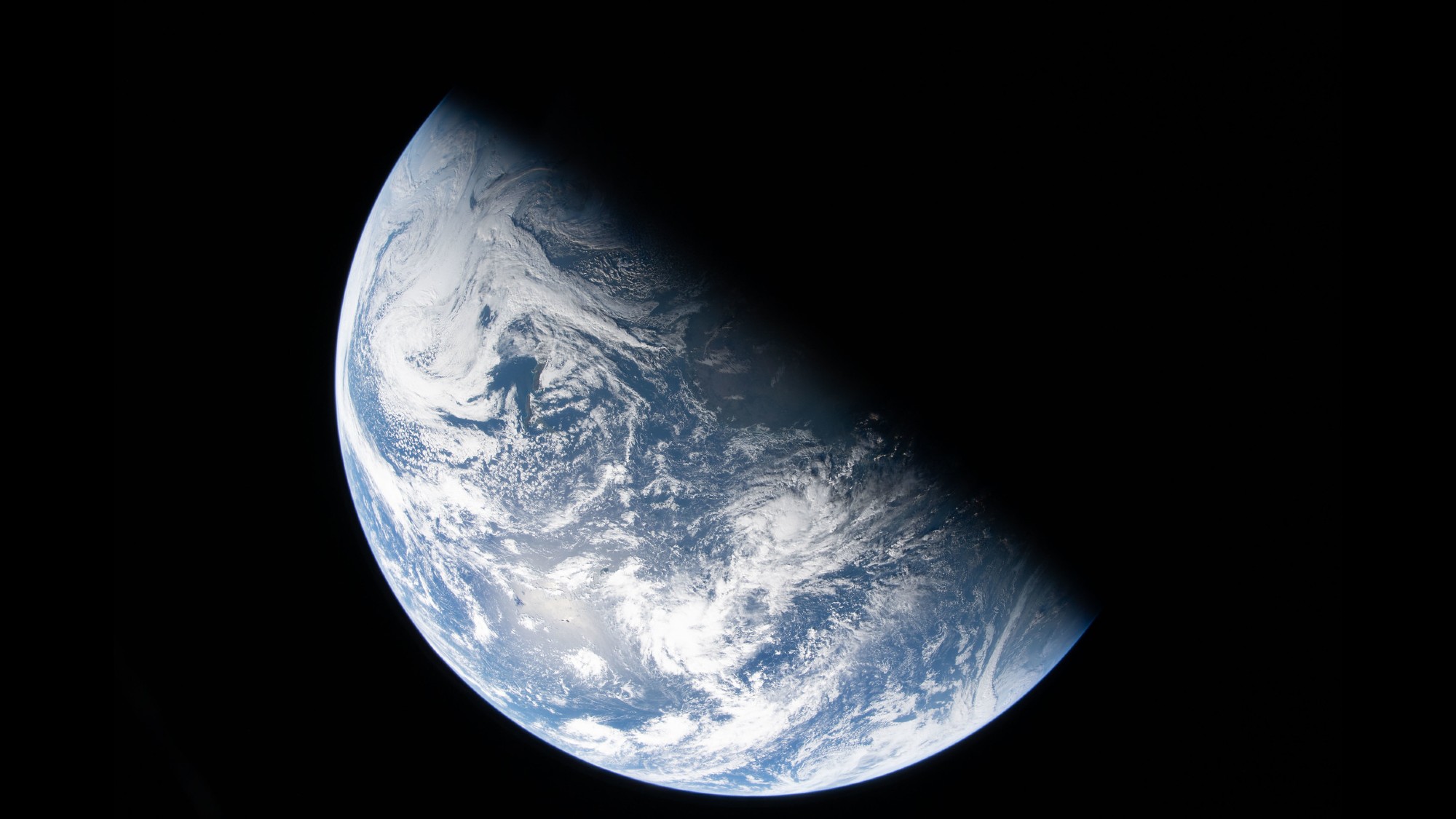
Lewis explained that all these data centers and mirrors would have to orbit Earth in the same orbital plane to have access to constant sunshine. This orbital plane follows the terminator line — the boundary between day and night — and takes the satellites over the planet’s north and south poles.
“Orbital data centers and Reflect Orbital all tend to rely upon what these operators call 24 hours of sunlight in space,” Lewis said. “To have that, you have to be in a particular orbit, which follows the dawn-dusk line. It’s not like the Starlink megaconstellation, which is distributed around the Earth.”
Samantha Lawler, an astronomer at University of Regina in the Canadian province of Saskatchewan, agrees with Lewis. Lawler and her colleagues used computer modelling to visualize the impact of several of the proposed data center fleets including SpaceX’s Starmind, Blue Origin’s Project Sunrise and the Stampede constellation proposed by Cowboy Space.
In those visualizations, satellites visible from the planet’s surface not just outshine the visible stars, they also outnumber them. Lawler explained that as Earth turns under the terminator orbit, the Saturn’s ring of satellites would move across the sky twice a day — in the early evening hours between 6 and 8 p.m. and just before dawn.
“[The ring] would pass overhead at the same time every night,” Lawler said. “That means its effect would be worse during winter time than the summer time.”
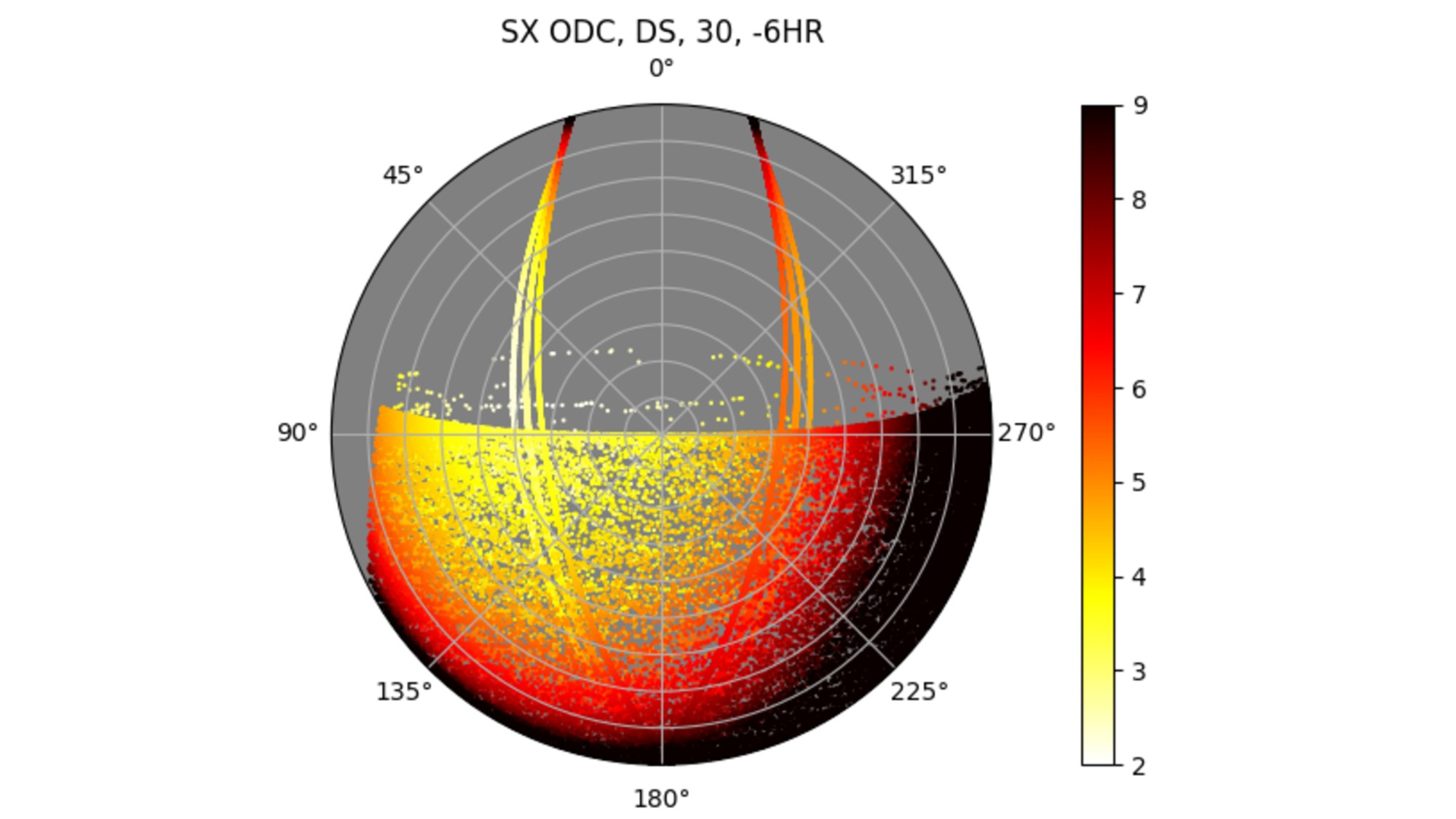
Lawler cautions that the visualizations are based on publicly available data and may not reflect the exact technical specifications of the satellites involved. The work has also not yet been peer-reviewed.
However, Lawler added that the scattered light from that ring would continue brightening the sky for up to two hours after it would sink below the horizon, just like the sun keeps illuminating the firmament after it sets.
“It would make our taxpayer-funded telescope time much less effective,” Lawler said. “We could do a lot less science for the same cost, and many science cases, including the search for dangerous near Earth asteroids, would be seriously compromised.”
There would be no escape from the view of the ring anywhere in the world.
The modelling shows that some of these constellations — Blue Origin’s Project Sunrise in particular — would fly their satellites in an additional orbital inclination that would create the shape of X on top of the main “Saturn’s ring.”
“If you were close to the equator, you would virtually have this X shape of crawling satellites come up in the sky early in the morning and after sunset,” said Lawler. Further up north, you would see this as two separate bands. One band would come up in the morning and the other would emerge as the sun sets.”
The actual brightness of this “Saturn’s ring” would depend on the exact number of the satellites in it. But researchers warn that as each Reflect Orbital’s space mirror is bound to be at least as bright as Venus — the brightest object in the sky after the full moon — the luminosity of this band would be extreme.
An earlier study by the European Southern Observatory concluded that a constellation of 50,000 Reflect Orbital mirrors would increase the brightness of the night sky by up to 300 percent, making the world’s most expensive telescopes effectively useless.
“Humanity has already fundamentally altered the cosmos to the point where Earth is now an artificial ‘ringed planet’ choked by satellites and space debris,” astronomer and dark sky advocate John Barentine, told Space.com. “But projects like Reflect Orbital will turn those mostly now invisible rings into bright reflective tracks. We aren’t talking about a just scattered field of bright, moving dots anymore.
“Rather, this is a permanent, artificial ‘ring of Saturn’ effect cutting right through the most critical twilight observing windows for global astronomy.”
On paper, many of these projects seem to make sense. Data centers on Earth take up precious land. They require enormous amounts of water for cooling, strain power grids and generate greenhouse gas emissions. In space, cooling and access to electrical power would be free.
Reflect Orbital wants to deliver sunlight to Earth after dark to increase the yield of solar plants and agricultural farms, provide free, sustainable lighting to construction sites and illuminate disaster zones in search of missing persons. The company maintains that it works to minimize disruption to astronomy and intends to cooperate with the scientific community.
“Every stage of our development is guided by data — testing, measuring, listening and adapting,” the company’s spokesperson said in an email. “We are actively commissioning independent, third-party research on the impacts of our technology.”
The astronomers who spoke to Space.com, however, unanimously claim that the Reflect Orbital constellation and astronomy cannot coexist. “If we have mirrors in orbit, astronomy is over,” Lawler said .
The American Astronomical Society (AAS), issued a statement criticizing the FCC’s decision to grant Reflect Orbital a license to fly its test satellite.
“Reflect Orbital’s proposed satellite, which would reflect sunlight back to Earth at night, carries the potential for significant harm to our members and the broader community of those who depend on a dark night sky,” the AAS wrote. “This harm could include damage to sensitive research telescope equipment, potential flash-blinding of pilots and drivers, and — as Reflect Orbital stated in its own FCC filings — potential permanent eye damage to anyone looking through a mid-sized telescope.”
In the past, astronomers praised SpaceX for attempts to dim the Starlink satellites by using dark paint and special visors to reduce reflectiveness. But Lawler said that many of these attempts have been undone by SpaceX’s gradual increase of the satellites’ size. While first generation Starlinks were about 570 pounds (260 kilograms) in mass, the latest generation weigh more than 4,400 pounds (2,000 kilograms) each.
“They did a lot of work to make the satellites darker, but then they also made them bigger and put them on lower orbits, and that has made them much, much brighter,” Lawler said. “You can see Starlink satellites everywhere even with the naked eye. They are very visible and they are all over the sky.”
In its Order and Justification of Reflect Orbital’s mission license, the FCC stated that “impacts on optical astronomy fall outside [FCC’s] review and authorization.”
“The Commission’s rules do not address the protection of optical astronomy, and thus we decline to interpret commenters’ concerns in connection with the Commission’s mandate,” the FCC wrote.
The astronomers, however, point out that no other regulatory body in the U.S. and outside has a say in awarding satellite licenses to US companies and reviewing applications with respect to impacts on the night sky and the wider environment.
“The FCC is the only agency that’s regulating American satellite launches,” said Lawler. “But if the FCC says that this is not their problem, then whose problem is it?”
The AAS in its statement called on the FCC to “consider all of the impacts of the satellite’s use case.”
“In the absence of another licensing agency that could take these considerations into account, we believe that it is critical for the FCC to consider all of the impacts of the satellite’s use case,” the AAS wrote.
Robert Massey, the executive director of the U.K. Royal Astronautical Society added: ” This is setting a bad precedent and opening up to the full deployment of the constellation that could get to the 50,000 satellites in a few years. It’s really disappointing that the FCC authorized this.”