

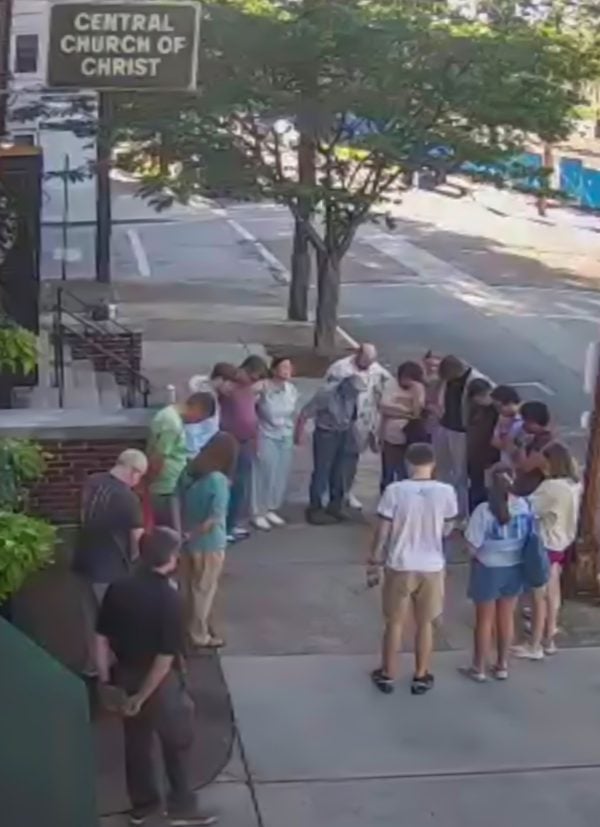
CHATTANOOGA, TENN. — Wednesday night Bible class at the Central Church of Christ on June 3 turned into a life-or-death emergency as 64-year-old Keith Braud suffered cardiac arrest and collapsed.

Members of the Central Church of Christ congregation gather in a prayer circle while members of the response team work to save Keith Braud’s life.
In the next 2 minutes and 57 seconds, one church member dialed 911 while others performed CPR and retrieved an automated external defibrillator. Before paramedics arrived at the church, the AED restored Braud’s heartbeat — the result of a successful emergency response plan.
“Everybody just fell into place and did everything they were supposed to do,” said Tammie Crowder, a church member and emergency room nurse of 42 years.
‘There was no pulse’
The emergency unfolded quickly, about 10 minutes into the Bible class in the church’s auditorium. As Braud sat with his wife, Elizabeth, he began to feel something was wrong.
“Before I blacked out, I remember thinking, ‘I’m about to pass out,’” Braud told The Christian Chronicle. “A little ringing in my ear, tunnel vision, and that’s all I remember.”
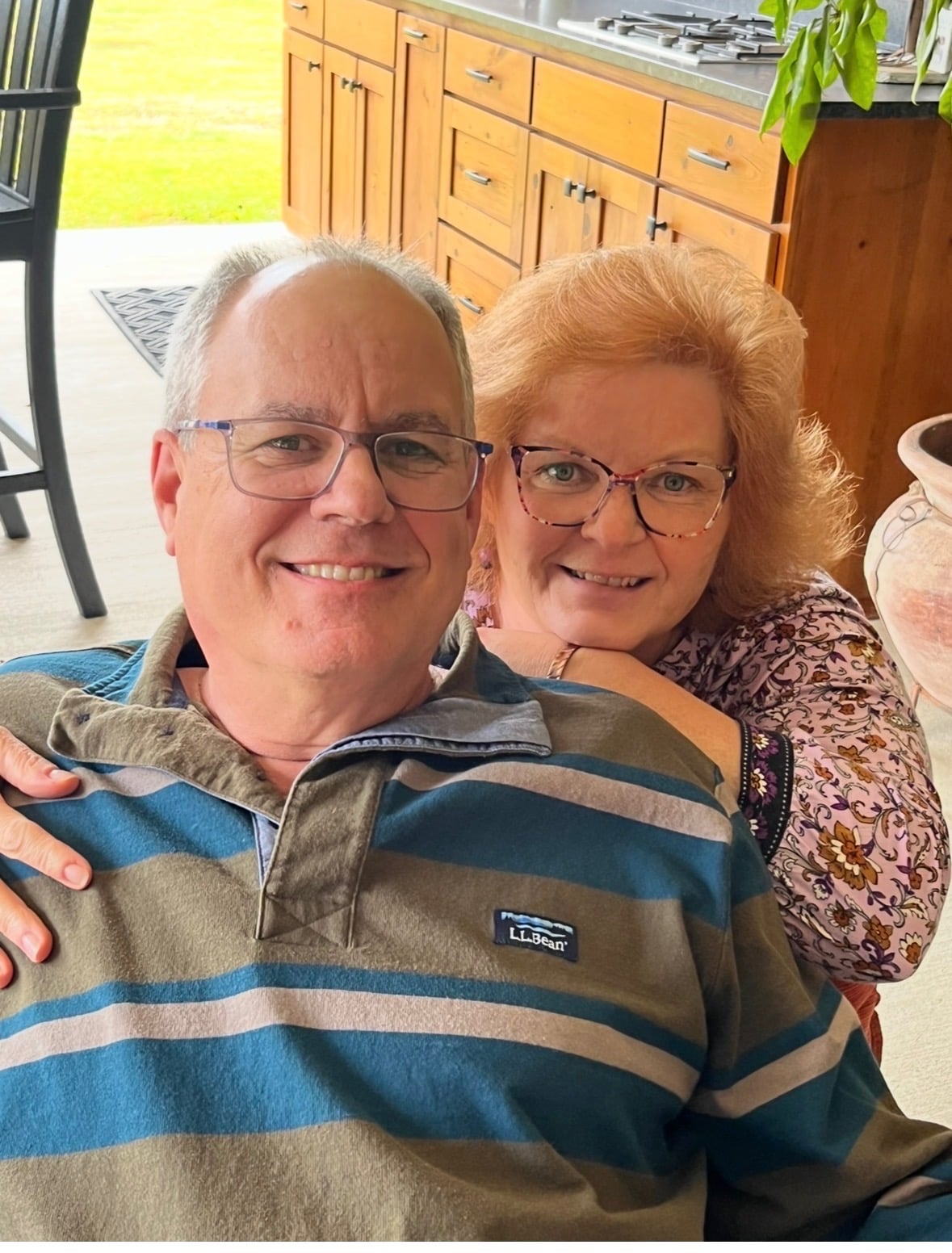
Keith and Liz Braud
When Liz Braud alerted the congregation that her husband had collapsed, registered nurse Evan Johnson reached Braud within seconds. Simultaneously, church secretary Robin Large fetched the AED from the kitchen, as another member called emergency services.
“I think I just got up in his face, just trying to see — did he pass out, did he fall asleep, or are we making a big ruckus out of nothing?” Johnson said.
As the response began inside the auditorium, church members who were not directly involved in the medical efforts stepped outside. About 20 gathered on the sidewalk in a circle of prayer while the emergency unfolded inside.
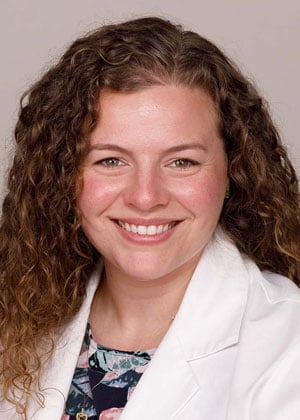
Rachel Neill
As Braud lay on the pew, Large brought the AED to physical therapist Rachel Neill, who prepared the device alongside Tabitha Gibbs.
“We were pretty sure we felt a pulse at first,” Johnson told the Chronicle. “But when we laid him down and reassessed, there was no pulse. That’s when we started CPR.”
About 1 minute and 28 seconds after the initial alert, Braud had no pulse, and CPR began. As compressions continued, the response team applied the AED as it began charging.
At 2 minutes and 20 seconds, the AED delivered a shock, and CPR continued.
A jolt from Braud followed the shock and rescue breaths.
“My vision started coming on very dimly, and I saw Evan, like right here in my face, and I kind of knew it was Evan,” Braud recalled. “But the first thing I said was, ‘Who are you? You need to get off of me.’”
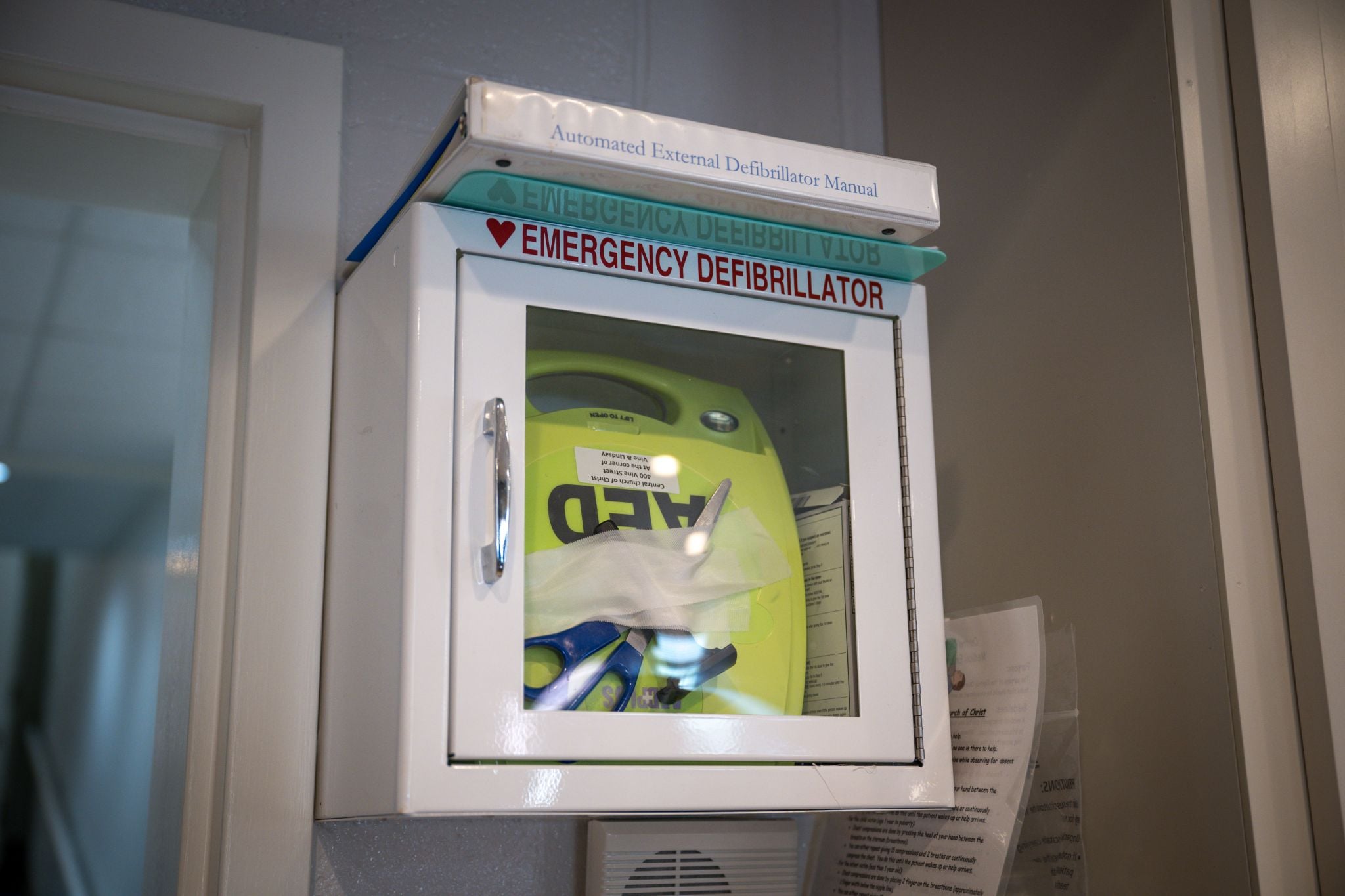
Members of the Central Church of Christ used an automated external defibrillator to revive a churchgoer in cardiac arrest.
Braud regained a pulse, and two minutes later, police arrived, followed by EMS, which transported him to CommonSpirit Memorial Hospital. A week later, the Louisiana native returned home to Georgia after physical therapy.
“The AED 100 percent saved my life — and I wouldn’t be here without it,” Braud said, wiping away a tear. “I’m just so glad I was at church — God is good.”
‘What if we hadn’t been prepared?’
The outcome of Braud’s medical emergency was swift and lifesaving. Yet, the case underscores a broader concern: If a similar emergency occurred during services or Bible class, would other congregations be prepared to respond?
According to Mike Garron, recruitment and public relations specialist for Hamilton County EMS, many churches and other organizations fail to prepare for medical emergencies because they assume they are unlikely to occur.
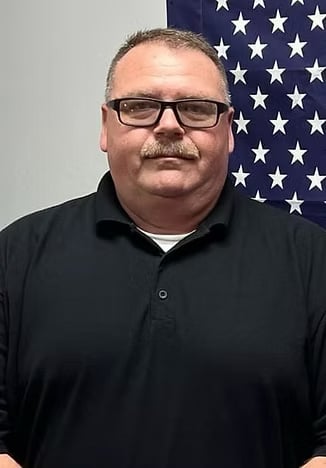
Mike Garron
“People tend to get complacent — ‘that’s never happened here’ — but it will at some point,” Garron said. “It’s a lack of education. People don’t realize how quickly organs can be damaged without oxygen-rich blood.”
What unfolded in under three minutes in the Central Church of Christ auditorium was guided by an emergency response plan developed and refined over several years. Crowder, the ER nurse, saw the need for the plan’s creation after the lack of an accessible AED contributed to a death at a church retreat she attended years earlier. That experience reshaped how she viewed preparedness in places of worship.
Crowder explained that the foundation of the church’s response plan includes monthly CPR training, AED awareness and clearly assigned roles during emergencies to avoid miscommunication.
The church’s AED is kept in a designated, easily accessible location in the kitchen and includes a guidebook for its use. The building also contains an anti-choking device and a first-aid kit. Expiration dates and battery levels for each device get checked regularly.

A GregO2 device used in instances of choking and a manual on how to use it rests on the wall in the fellowship hall.
On the Sunday following Braud’s cardiac arrest, members of the response team reviewed security camera footage and participated in an after-action debriefing. They produced a written report on what happened, what worked and where response time or communication could be improved.
Crowder said that such continual refinement is intentional and necessary, noting that the goal is to prepare for any situation before it occurs.
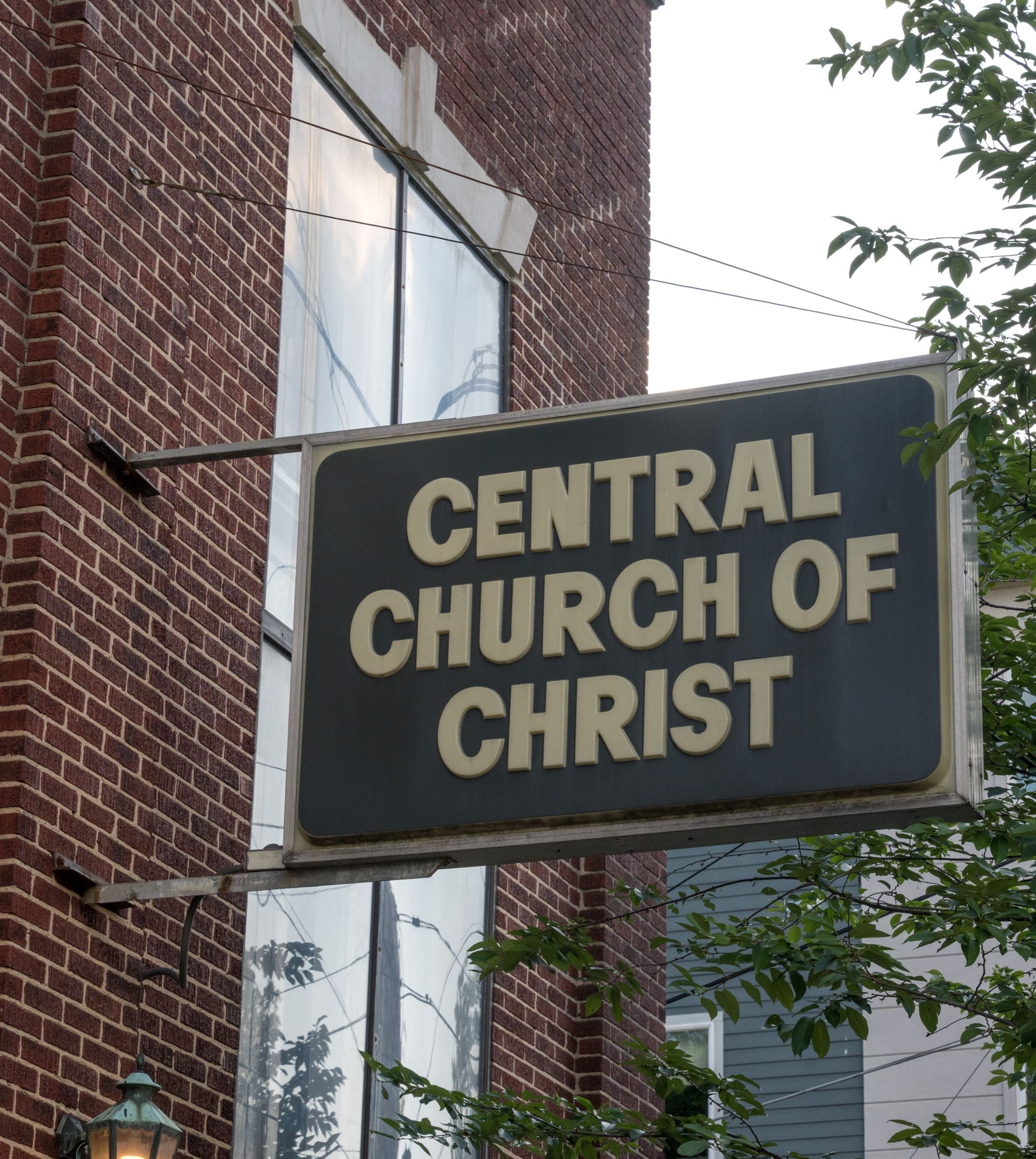
The Central Church of Christ sign rests above the same sidewalks where members of the congregation prayed on June 3, 2026.
“There’s not a person here at this church that wouldn’t give $1,000 to make sure we had an AED after Wednesday night,” she added.
In the days following the incident, the congregation has prayed and reflected not only on what happened inside the church’s auditorium but also on the blessing of life and the importance of readiness in any place of worship.
“You think, ‘It won’t happen at church on a Wednesday night.’ And then what if we hadn’t been prepared? It could have been a very different story.”
“You think, ‘It won’t happen at church on a Wednesday night,’” said Large, the church secretary. “And then what if we hadn’t been prepared? It could have been a very different story.”
For more resources on how to develop an emergency plan geared for houses of worship, visit the Guide for Developing Emergency Plans for Houses of Worship.
EPHRAIM RODENBACH, a sports journalism major at Middle Tennessee State University in Murfreesboro, Tenn., is a Christian Chronicle intern. Contact ephraim@christianchronicle.org.